

The World Academy of Sciences for the advancement of science in developing countries (TWAS) and the American Association for the Advancement of Science (AAAS) brought together 12 pairs of scientists and policymakers from 13 countries, including Malawi, Paraguay, and Tajikistan, in Trieste, Italy, for the 13th AAAS-TWAS Course on Science Diplomacy. The course deepens relationships between science and diplomacy to enable evidence-based solutions for addressing complex challenges such as climate change, food security, and biodiversity loss.
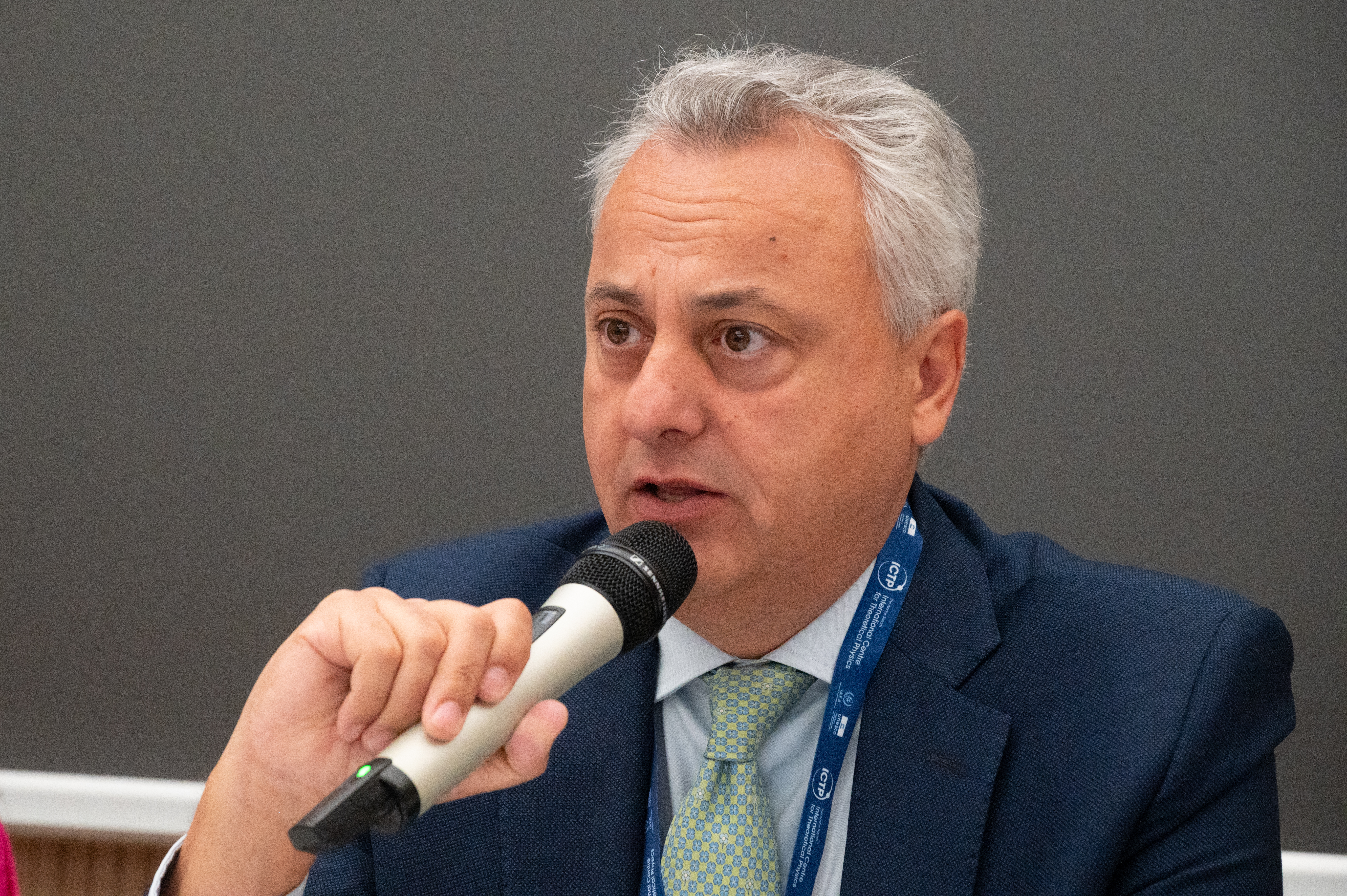
“Science is a shared driver of progress and not a geopolitical currency. Italy advances science diplomacy through international cooperation, fair competition, and trusted partnerships thanks to our extended network of research centers, universities, and scientific counselors at the Italian Embassies. We boost mobility and partnerships as a tool for common growth; we promote equitable access to knowledge, research infrastructures, and emerging technologies; and we support multilateral organizations like TWAS and ICTP that we proudly host in Trieste. Science diplomacy must be the foundation for addressing complex challenges with evidence, transparency, shared responsibility and common global standards and governance,” said Lamberto Moruzzi, Director for Scientific, Space, and Sports Diplomacy within the Directorate-General for Growth at the Italian Ministry of Foreign Affairs and International Cooperation (MAECI).
MAECI has supported TWAS since its founding, providing core contributions to its work, and remains a key partner in advancing science for development.
“Amid conflicts, the climate emergency, and the growing spread of disinformation, science diplomacy has become indispensable. It is a vital instrument for building trust, bridging divides, and ensuring that scientific cooperation remains inclusive and equitable,” said Marcelo Knobel, TWAS Executive Director.
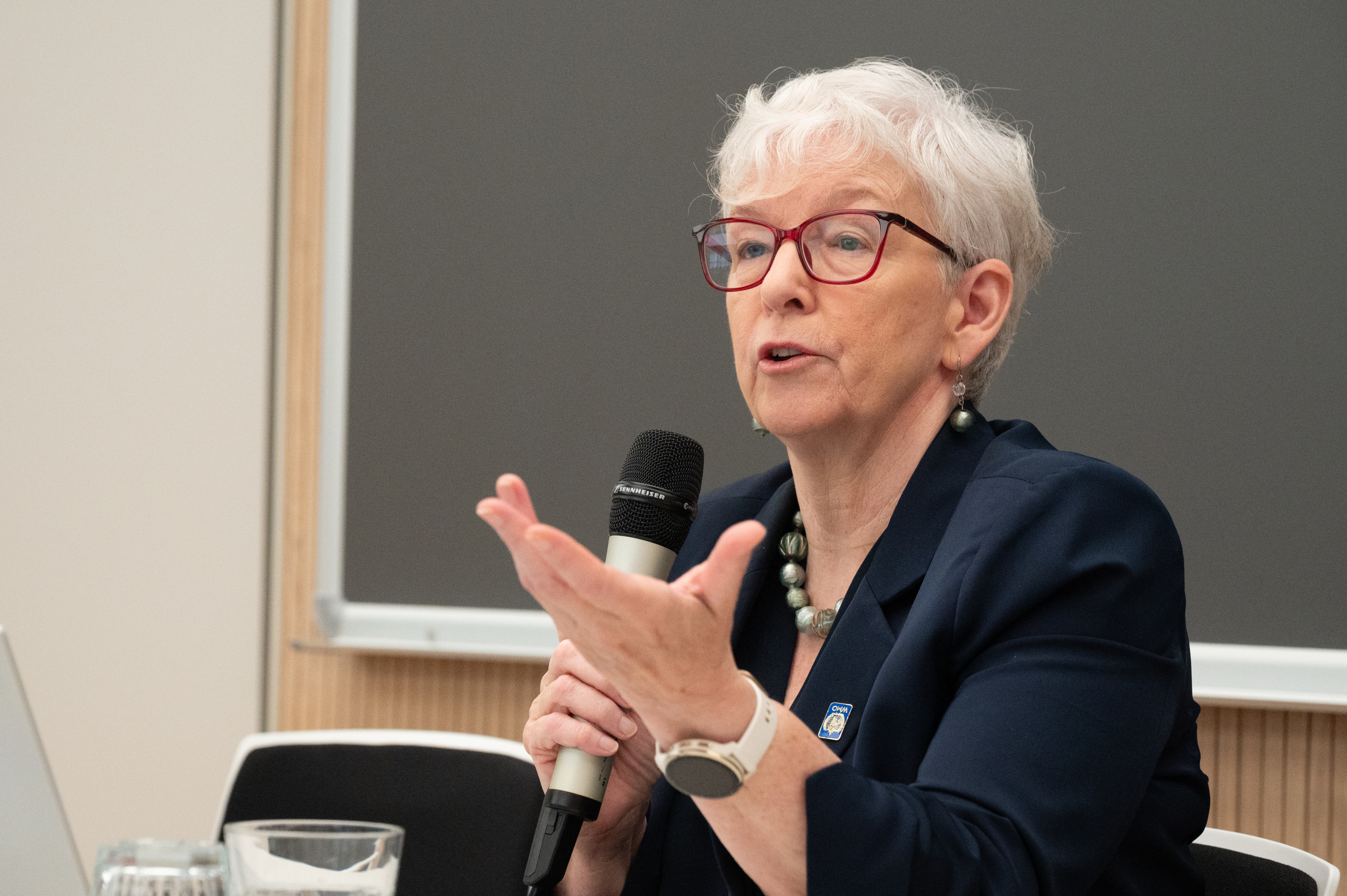
“Through this training, we are contributing to the development of the next generation of science diplomats that developing countries urgently need to strengthen their voice in global decision-making processes.”
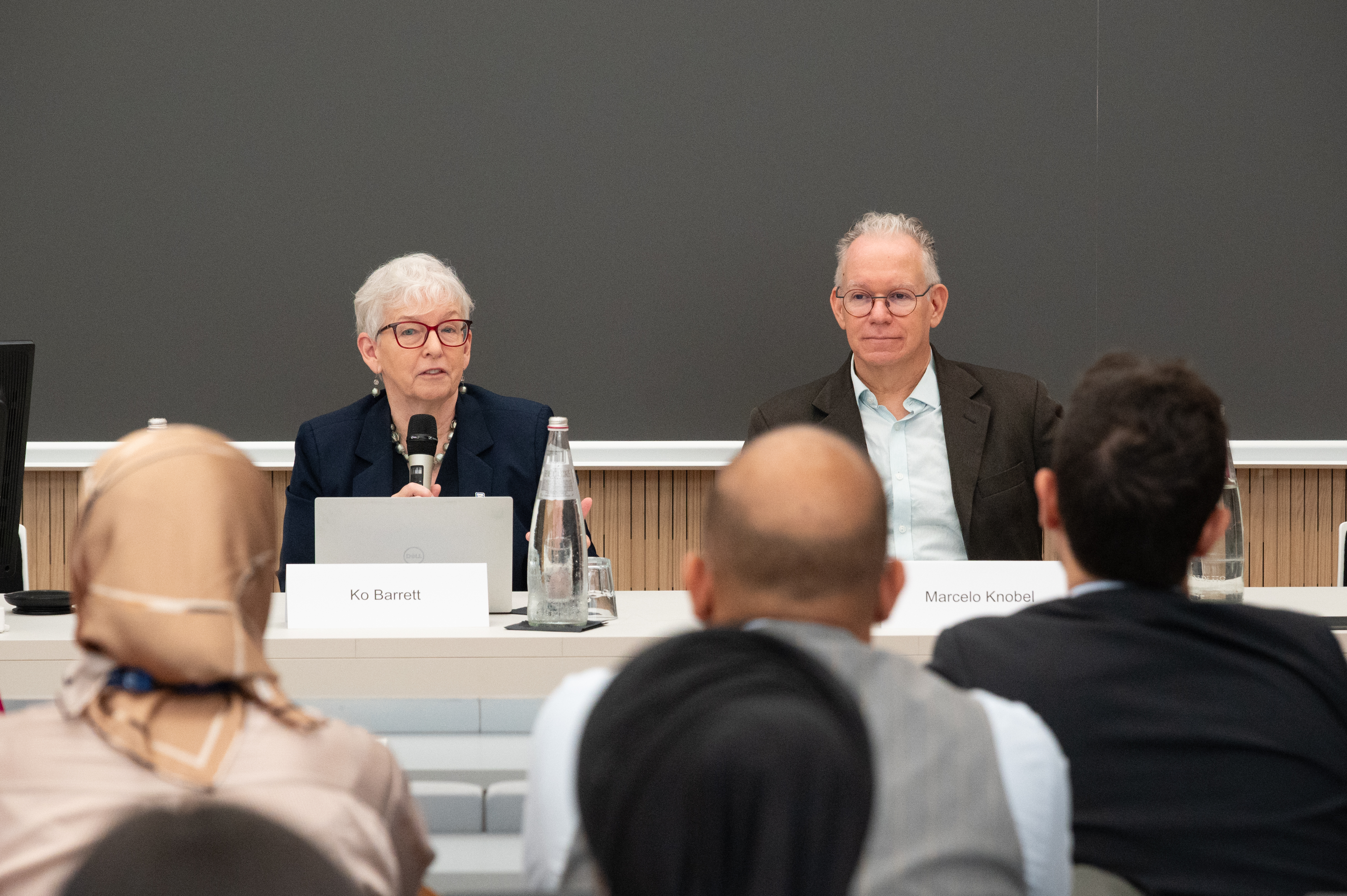
The course will begin on 21 July with the TWAS Budinich Science Diplomacy Lecture, delivered by Ko Barrett, Deputy Secretary-General of the World Meteorological Organization (WMO), focusing on the role of science diplomacy in addressing global challenges. The lecture also pays tribute to Italian physicist Paolo Budinich, whose vision, developed together with Nobel Laureate Abdus Salam, led to the creation of major international scientific institutions, including The World Academy of Sciences (TWAS), and helped establish Trieste as a leading hub for scientific cooperation.
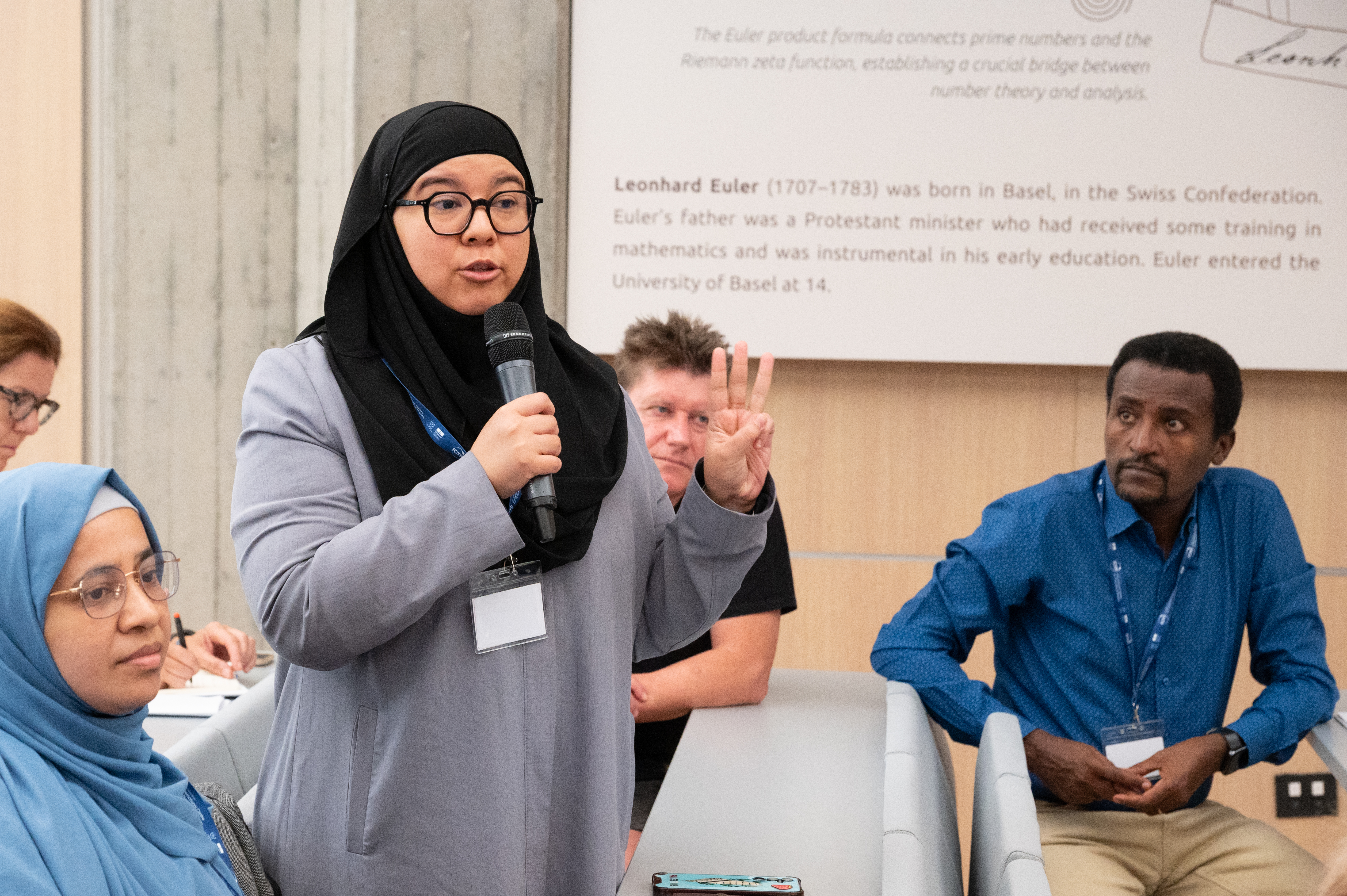
Over three days, participants will delve into topics of interest across countries, including science diplomacy in the current geopolitical landscape, mechanisms to influence decision-makers, the role of scientists amidst changes in multilateralism, and international efforts to build large-scale projects.
The course involves participant pairs from the same country. Each pair consists of an early-career scientist whose research and public engagement have implications for international policymaking, and a policy or decision-maker in a science-relevant role such as a government official, diplomat, or representative from a research-funding institution.
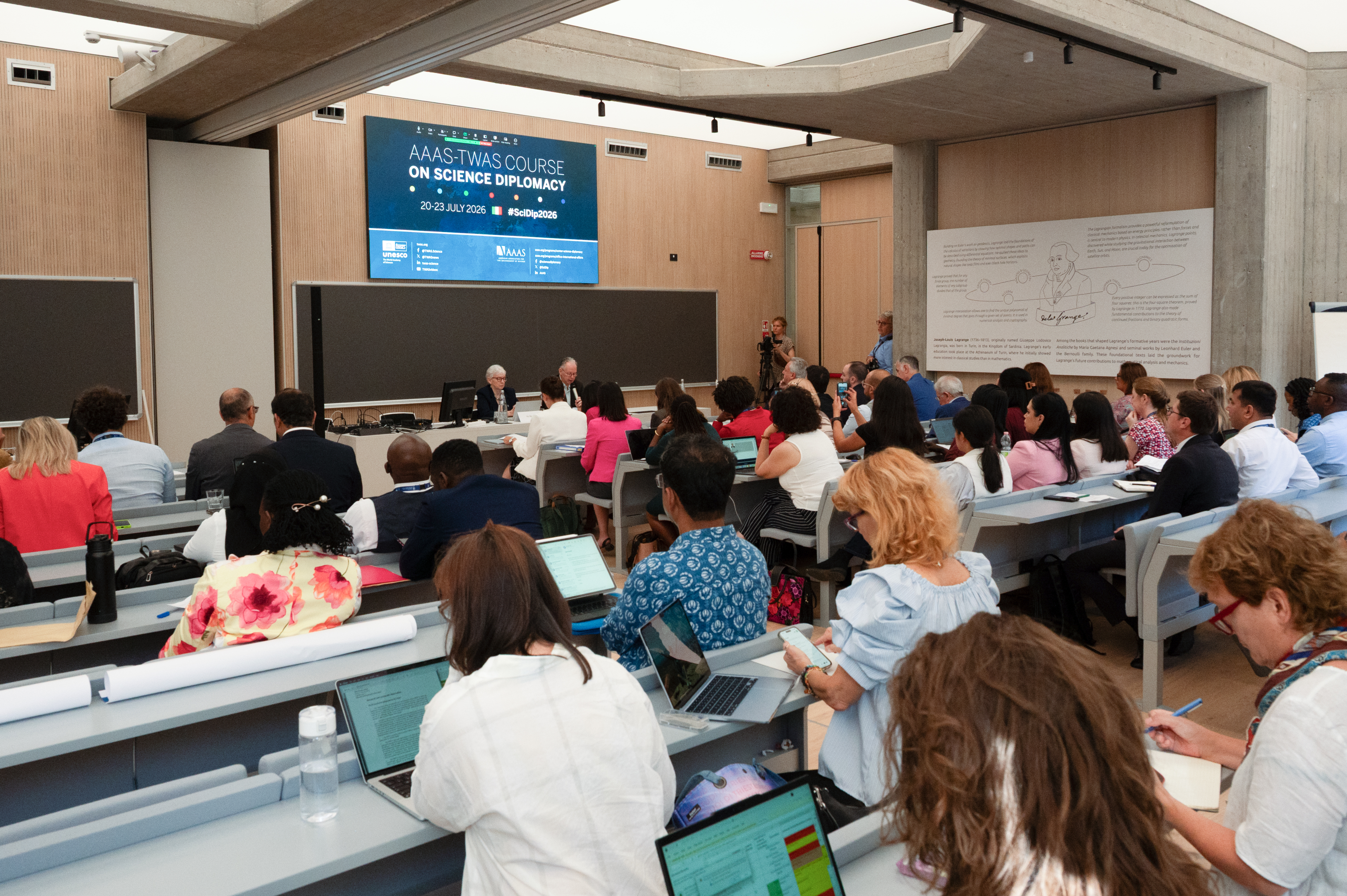
“We are living in a disruptive era with the geopolitical context changing quickly and societies being upended by scientific and technological advances. Science diplomacy is an important tool to address the challenges and seize the opportunities of this time. This course exposes policymakers and scientists alike to that tool and provides an opportunity to build relationships with each other and the broader science diplomacy community,” said Kim Montgomery, AAAS Director of International Affairs and Science Diplomacy.
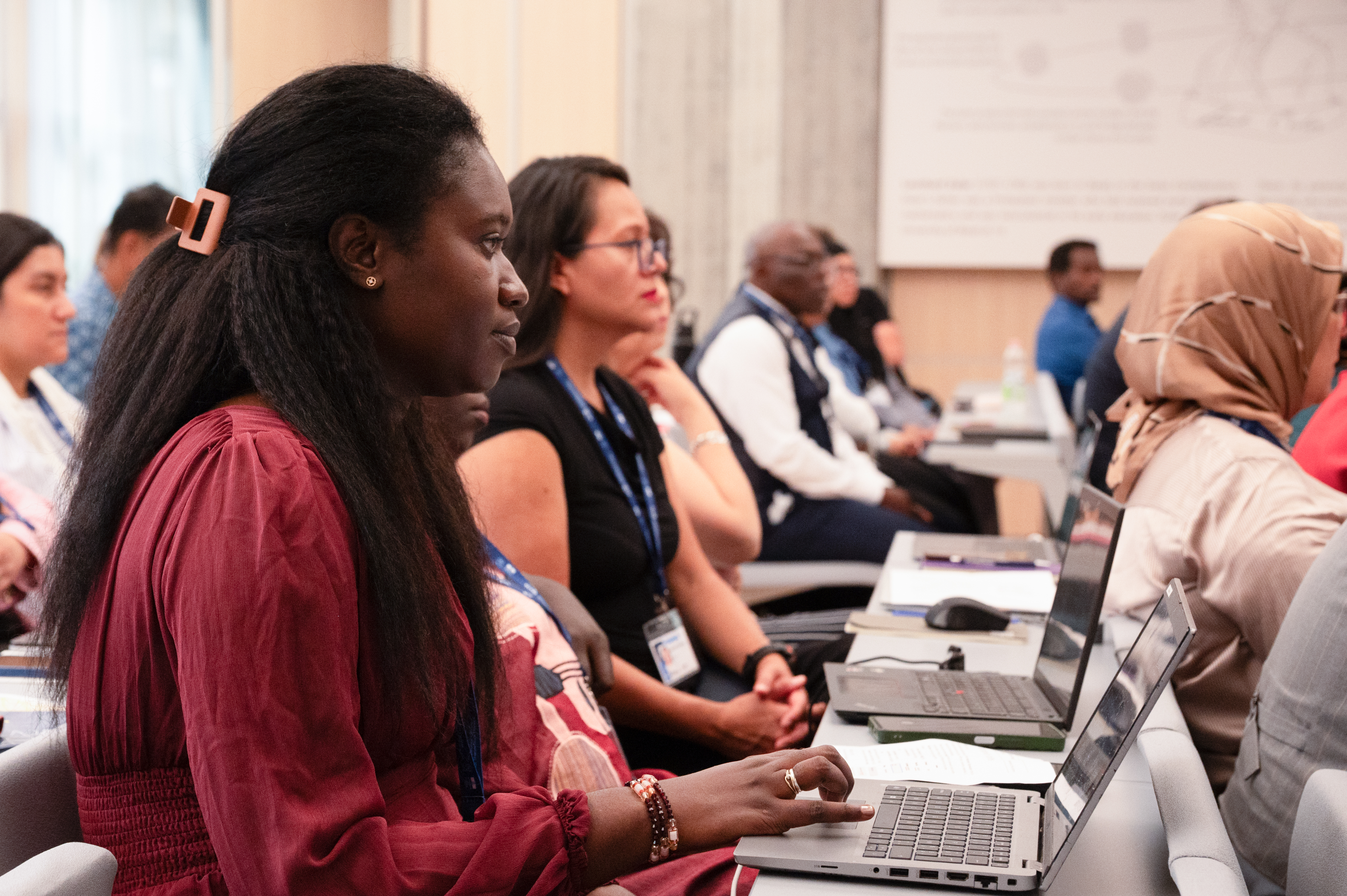
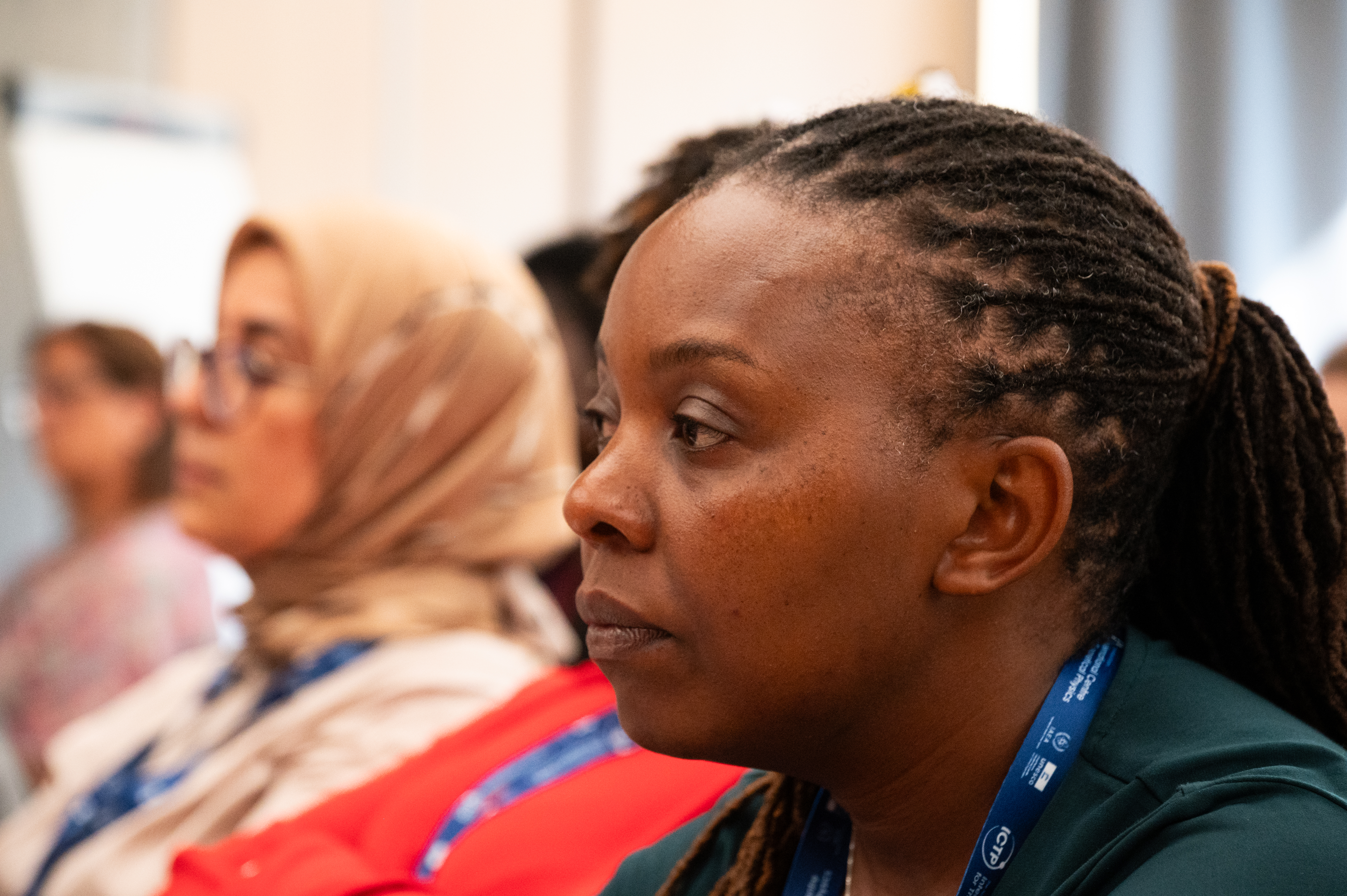
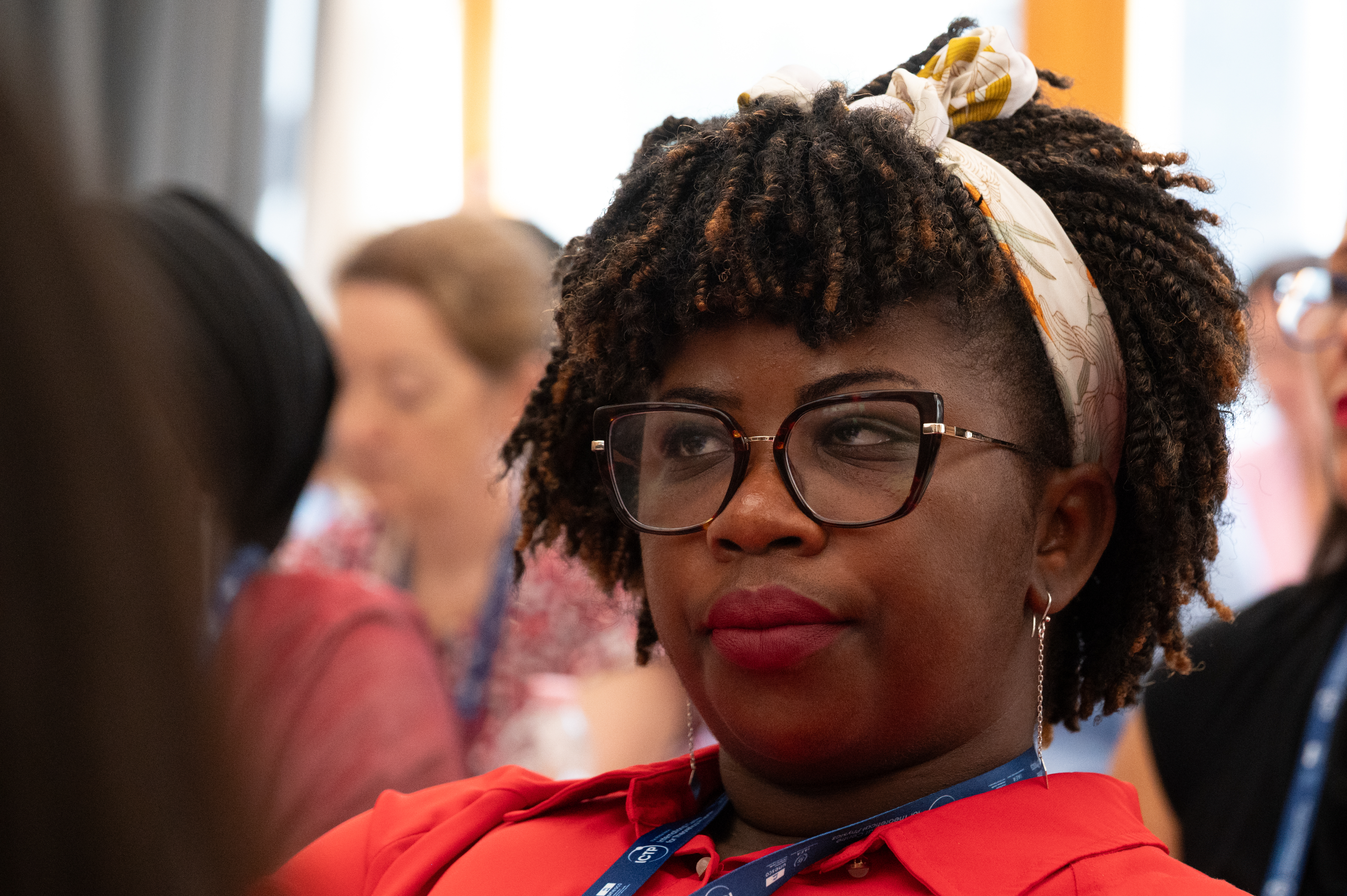
A participant in the AAAS-TWAS Course on Science Diplomacy. (Photo: G.Ortolani/TWAS)
For over a decade, the AAAS-TWAS Science Diplomacy Course has prepared over 400 alumni who are now influencing policy and spreading knowledge about the fast-growing science diplomacy field throughout the developing world.
Note for the editors
Journalists are invited to attend the TWAS Budinich Science Diplomacy Lecture on Tuesday 21 July from 9AM to 10AM at the Lagrange Lecture Hall, located in level 1 of the Leonardo Building on the International Centre for Theoretical Physics (ICTP) Campus, Strada Costiera 11, Trieste.
Press contacts
Giovanni Ortolani, TWAS Public Information Officer - office: +39 040 2240-324, email: gortolani@twas.org
Cristina Serra, TWAS Public Information Unit – mobile: +39 3384305210, email: cserra@twas.org
Valeria Sabate, AAAS senior media and public affairs manager, email: vsabate@aaas.org.
Valeria is available from 8 :30 a.m. to 5 p.m. ET.
Images
Photos of the previous edition of the AAAS-TWAS Course on Science Diplomacy are available at the following link: https://www.flickr.com/photos/twas/albums/72177720328208684/
What is science diplomacy?
In 2010, AAAS and the Royal Society of London outlined a science diplomacy framework that drove an international conversation on the nexus between science and diplomacy. Since then, the world has become more divided and complex, and as the need for effective science diplomacy has grown. To ensure the framework remains applicable to the current context, AAAS and Royal Society released an updated science diplomacy framework in February 2025 that shifts from a theoretical to a practical perspective one and focuses on the ways science impacts diplomacy and vice versa. It states that science diplomacy is a tool to advance diplomatic objectives, which may be perceived as positive or negative. It also recognizes that there is a broader landscape of players in science diplomacy, including supranational companies and ‘tech titans’ practicing their own forms of statecraft.
About TWAS
For over 40 years, The World Academy of Sciences for the advancement of science in developing countries (TWAS) has been a leading force in developing crucial scientific capability in the global South. A global science academy founded in 1983 in Trieste, Italy, TWAS supports sustainable prosperity through research, education, policy, and diplomacy. With its partners, TWAS has graduated over 1,300 PhDs and awarded more than 2,300 postdoctoral fellowships to developing world scientists. The Academy also bestowed over 1,200 prizes, awarded over 2,870 research grants, trained over 850 individuals in science diplomacy, and supported over 1,400 exchange visits. TWAS is a programme unit of UNESCO.
About AAAS
The American Association for the Advancement of Science is one of the world’s largest general scientific society and publisher of the journal Science, as well as Science Translational Medicine; Science Signaling; a digital, open-access journal, Science Advances; Science Immunology; and Science Robotics. AAAS was founded in 1848 and includes more than 250 affiliated societies and academies of science, serving 10 million individuals. The nonprofit AAAS is open to all and fulfills its mission to “advance science and serve society” through initiatives in science policy, international programs, science education, public engagement, and more. For additional information about AAAS, visit www.aaas.org.
---
TWAS and AAAS acknowledge the contribution of the following reviewers who evaluated the applications of the participants:
- Marianela Soledad Rodriguez, project national manager, National Institute of Agricultural Technology (INTA-CONICET), Argentina;
- Natalia Montellano Duran, director of biotechnology, OWSD Bolivia National Chapter chair, Bolivian Catholic University (UCB), São Paulo, Bolivia;
- Clecio Roque De Bom, tenured professor, Brazilian Center for Physics Research, and Ernesto Batista Mane Junior, Brazilian ministry of external relations, Brazil;
- Linda D. Nyamen, lecturer/researcher, University of Yaoundé 1 and Linda A. J. Esso Endalle Lovet, director of the fight against disease, epidemics and pandemics, Ministry of Public Health, Cameroon;
- Lobna Ahmed Said Osman, associate professor, and director of microelectronics system design (MSD), Nile University, Egypt;
- Sneha Sinha, consultant (researcher), Research and Information System for developing countries (RIS), India;
- Edith A. K. Alusa, co-founder, EED advisory Ltd, Kenya;
- Ioclin Dahy, professor, University of Tomasina, Madagascar;
- Marieanne Christie Leong, ESGee Earth, Malaysia;
- Elena Culighin, scientific researcher, Institute of Chemistry, Moldova State University, Moldova;
- Supriya Sharma, lecturer, Central Department of Microbiology, Tribhuvan University Kirtipur, and Sulochana Manandhar, laboratory supervisor, molecular microbiologist, Oxford University Clinical Research Unit, Nepal (OUCRU-Nepal), and Madan Kumar Upadhyaya, joint secretary, Ministry of Health and Population, Nepal;
- Ovie Augustine Edegbene, senior lecturer/deputy director, Department of Biological Sciences, Federal University of Health Sciences, and Gift O. Omovoh, assistant chief environmental scientific officer, Federal Ministry of Environment, Nigeria;
- Ali Talha Khalil, assistant professor and consultant in molecular biology Lady Reading Hospital Medical Teaching Institution, Pakistan;
- Mary Luck Hicarte, minister and consul, embassy of the Philippines in Germany, The Philippines;
- Mututantrige Nimshi L. Fernando, head of the Department of Chemistry, deputy head of the Center for Quality Assurance, senior lecturer/coordinator research unit, Faculty of Science, CINEC Campus (Pvt) Ltd, and Seyed Shahmy Seyed Ismail Imam, senior scientist, National Science and Technology Commission, Ministry of Science and Technology, Sri Lanka;
- Godwin U. Anywar, lecturer, Makerere University, Uganda.