


The 22nd TYAN International Thematic Workshop titled 'From data to impact: inclusive AI solutions for Nigeria and the global South', organized jointly with the 5th African Symposium in Akure, Nigeria, brought together 84 distinguished academics, researchers, technology experts, and students from Africa and beyond.
During the three-day event on 18–20 June, speakers and participants discussed how Artificial Intelligence (AI) and data-driven innovations can have a beneficial impact on the society.
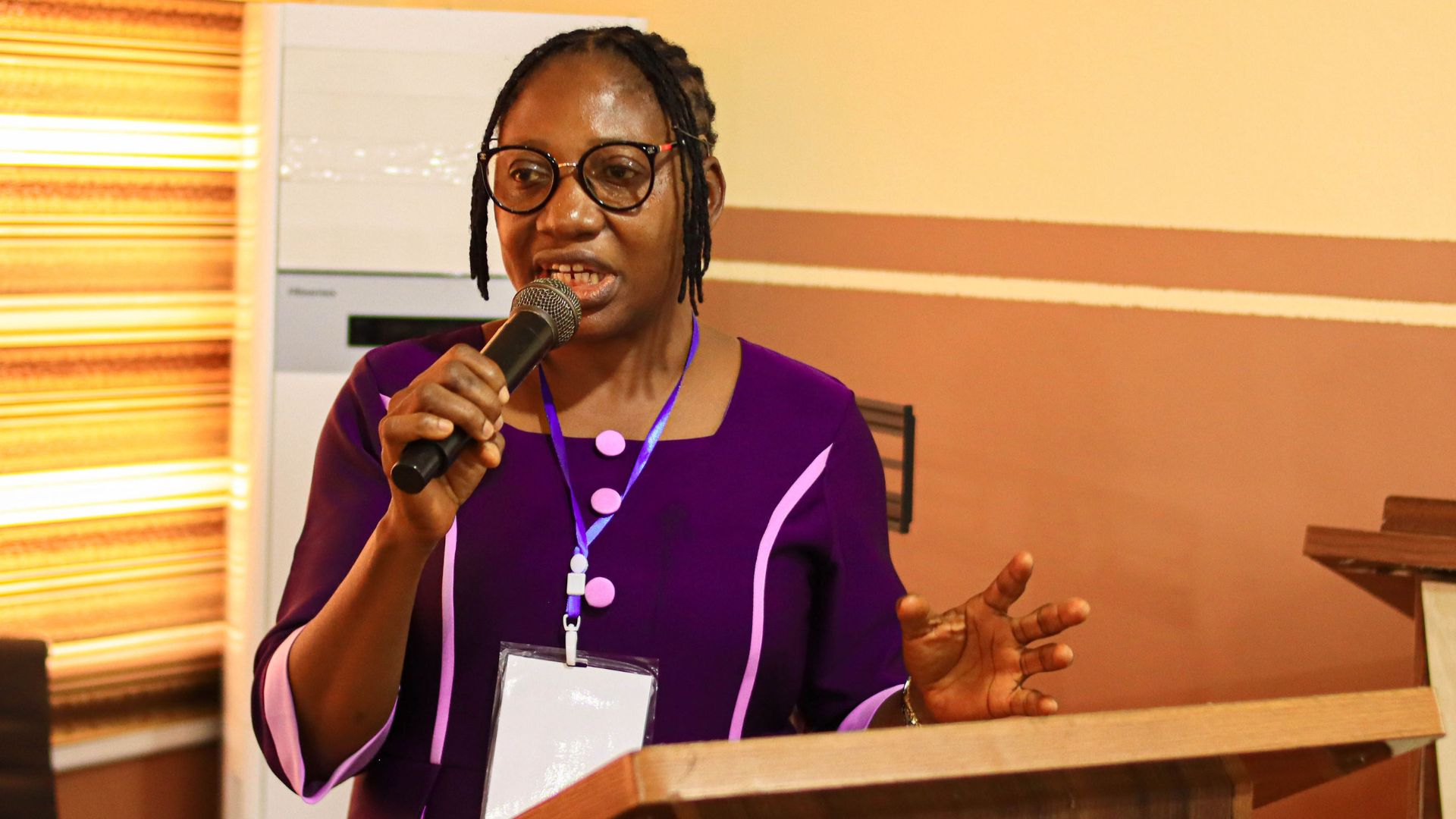
Among the speakers were: TYAN member Bolanle Ojokoh, host of the event, and professor Olumide Obe, both from the Federal University of Technology Akure (FUTA), Nigeria; Ismail Rakip Karas, vice-rector and Yacin Ortakci, an associate professor in the Department of Computer Engineering, both of Karabuk University, Türkiye; and Dennis Mwighusa, director of the African Research Institute for AI, in Tanzania.
The sessions explored how to use AI responsibly to further international collaboration and local innovation, and speakers agreed on the importance of connecting AI research with policymaking to ensure that scientific knowledge derived through AI triggers development opportunities.
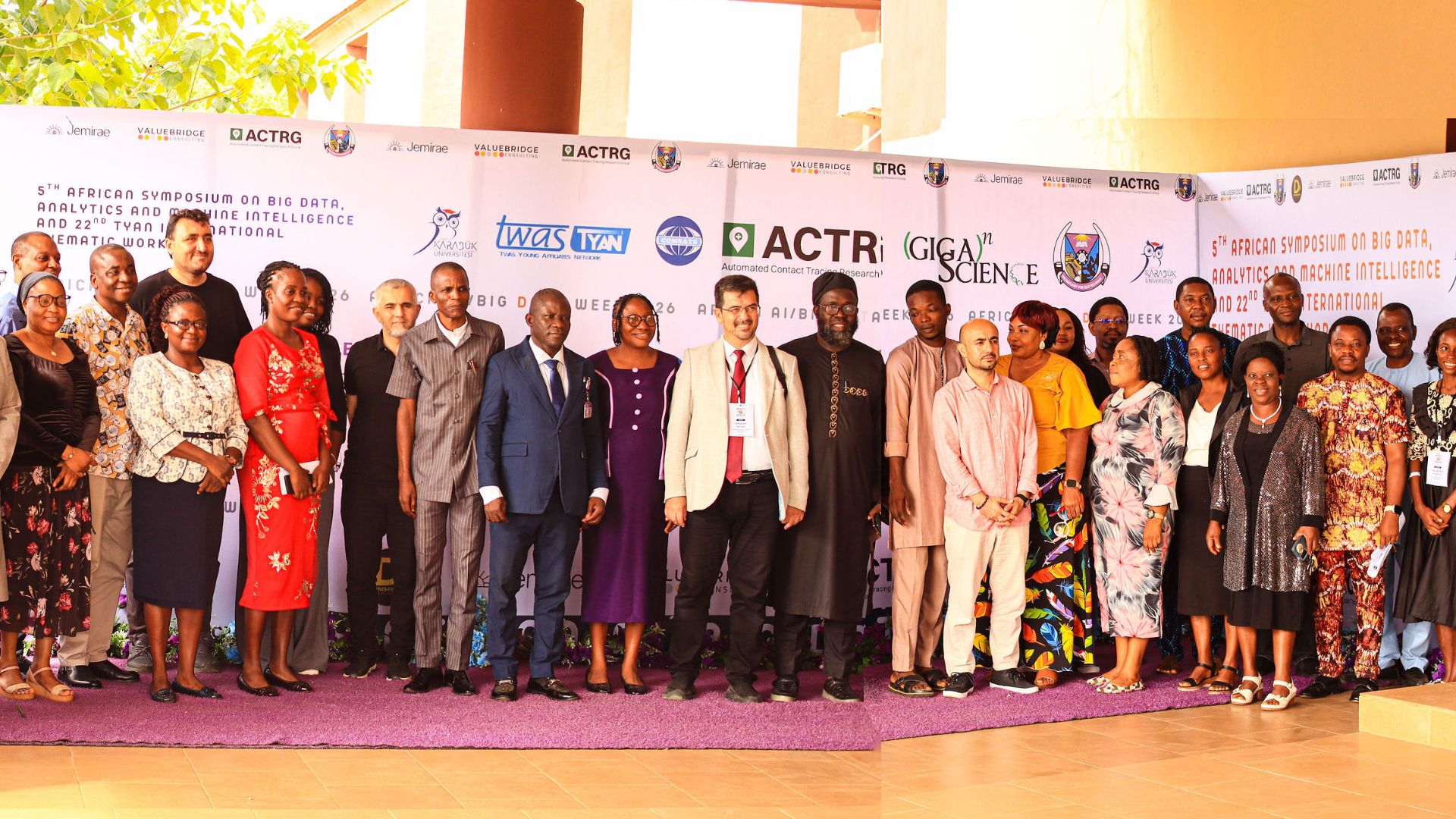
“The workshop drew attention to the importance of inclusive and ethical AI that meets the needs of diverse communities,” said Bolanle Ojokoh, a professor of computer science and former head of the Department of Information Systems at FUTA. “During the discussions, the value of international partnerships for sharing knowledge and building local capacity was highlighted, as well as the importance to ensure that AI-derived solutions are tailored to local contexts and priorities.”
Finally, participants discussed the importance of investing in local talent, entrepreneurship, AI education, and governance, while exploring AI's potential to support environmental sustainability through applications in monitoring, resource management, and smart infrastructure.
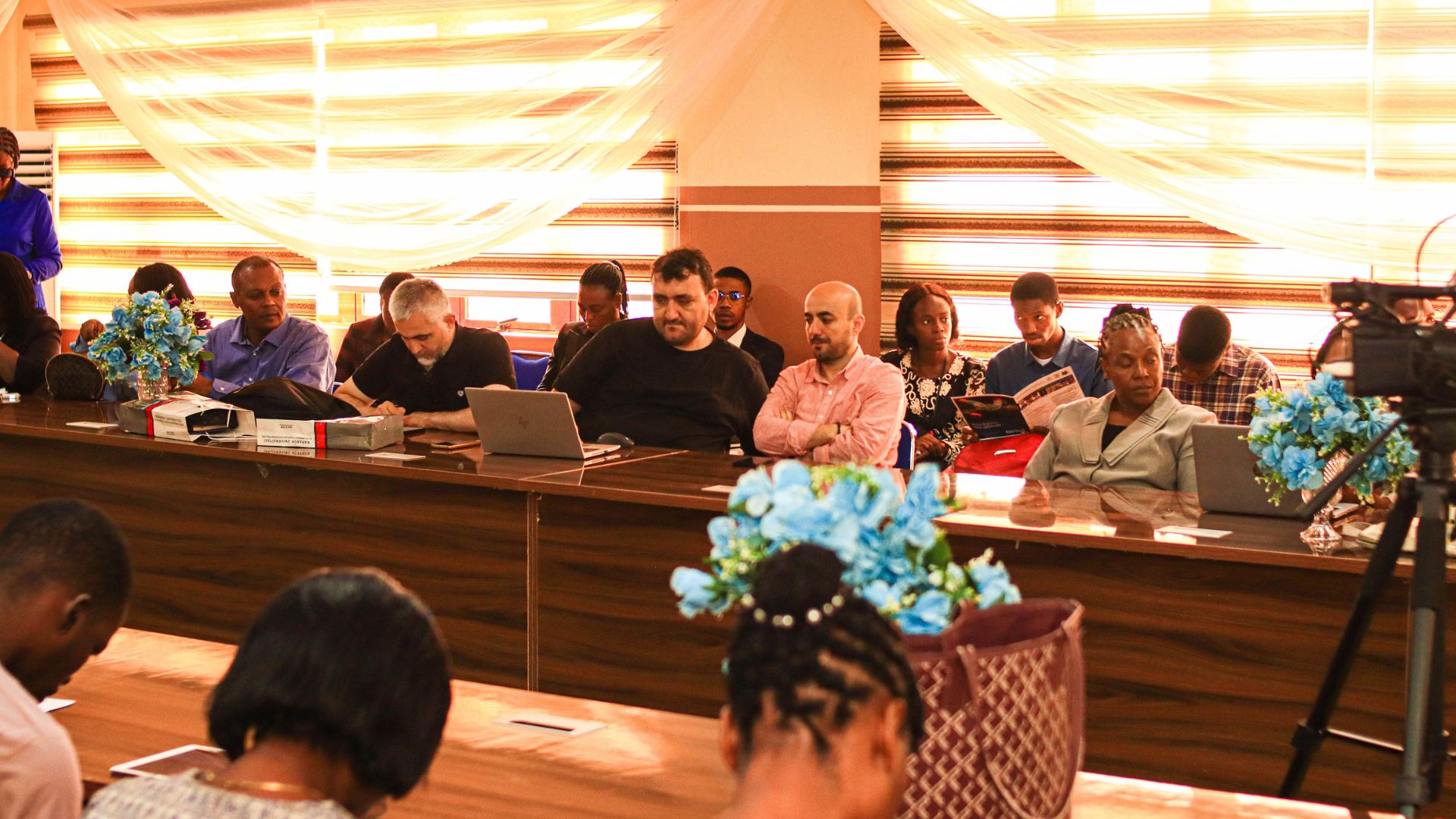
The workshop closed with some recommendations, including strengthening collaboration between researchers, policymakers, industry, and civil society to ensure that AI supports sustainable development. Key priorities included translating research into policy recommendations, investing in AI infrastructure and human capacity, and developing responsible AI governance frameworks to promote relevant solutions that address Africa's development needs.
Cristina Serra