


TRIESTE and SÃO PAULO — The Conrado Wessel Foundation (FCW) and The World Academy of Sciences for the Advancement of Science in Developing Countries (TWAS) announce the winner of the inaugural edition of the Through Southern Lenses: Science in Focus award: Musuk Nolte, from Peru, with the essay “Planting Water.”
The winning work stood out among submissions from photographers representing all corners of the global South. In its first edition, the prize attracted submissions from 26 countries across four continents, reflecting the global reach and relevance of the initiative among photographers and scientists from the global South. Musuk Nolte will receive the prize of US$ 20,000 at an award ceremony to be held in May at the Brazilian Embassy in Rome, followed by an exhibition featuring the winning photo essay.
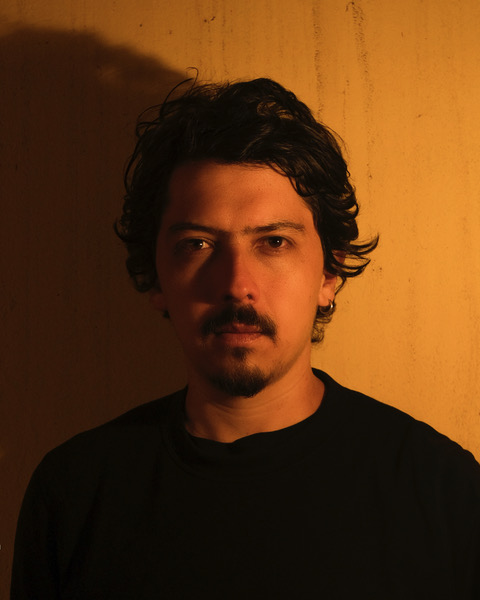
About the Winner
Musuk Nolte (Mexico City, 1988, naturalized Peruvian) is a documentary and artistic photographer whose work focuses on cultural, social, and environmental issues. A National Geographic explorer, he is currently developing a long-term project on South American water systems and the climate-driven water crisis, with a focus on the Andes and Amazonia, where he documents the impact of severe droughts and floods on local communities.
His work has been featured in museums and photography biennials across France, Singapore, South Korea, Brazil, and Spain. Beyond photography, he is the director of KWY Ediciones, an independent photography publisher supporting Latin American authors, and has published eight books, including Geographies of Water.
About the Essay
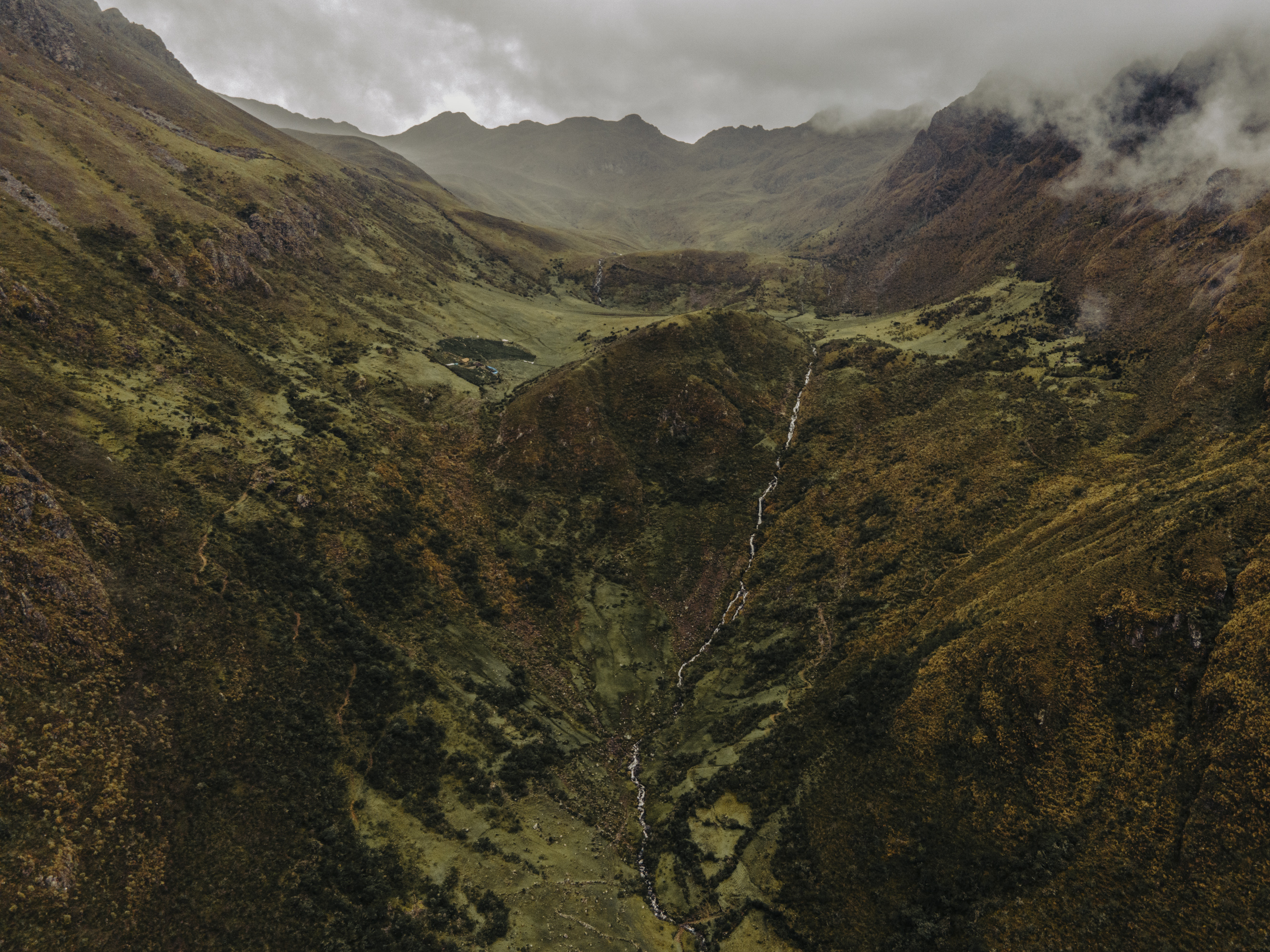
Planting Water | During the rainy season in the Peruvian Andes, the communities of Cusco, supported by ECOAN, have revived an ancestral technique known as “planting water.” It consists of collecting rainwater in wells so it can infiltrate the subsoil and be used in the dry season.
The practice is now complemented by planting Queñual, a native shrub that improves water infiltration in highland soils.
It also integrates modern seed-adaptation techniques, creating a bridge between ancestral knowledge and contemporary science. This collective work prepares communities for extreme events such as the severe droughts of the last decade. The “Queñual Raymi,” inspired by Inca traditions of ayni and minka, brings people together to plant up to 150,000 shrubs in a single day, strengthening identity and promoting a sustainable relationship with the land.
About the Prize
Through Southern Lenses: Science in Focus is an annual international photography prize that celebrates scientific excellence in the developing world through the lens of photography. The initiative is a collaboration between the FCW and TWAS, a programme unit of UNESCO dedicated to strengthening scientific capacity and excellence in the global South. The prize aims to highlight scientific achievements, challenges, and human stories from developing countries, using photography as a dynamic tool for science communication that transcends linguistic and cultural barriers.
The inaugural theme, ‘Glaciers and Deserts’, invited photographers to explore the visible impacts of climate change – from the melting of glaciers to the expansion of deserts – and to highlight the resilience and adaptation of ecosystems and communities in developing countries. Each submitted essay comprised ten original photographs, with AI-generated content excluded from the competition.
“Receiving the Through Southern Lenses award is a recognition I accept with great respect and gratitude, as it represents both an opportunity and an incentive to continue documenting the environmental and social processes we are living through. This recognition also allows me to fulfil one of the main purposes for which I work on these stories: to reach and raise awareness among a global audience about the transformation our planet is undergoing, with a particular emphasis on the most vulnerable communities and geographies. Thanks to this award, I hope to keep adding stories to this complex web where water connects territories, testimonies, and memories,” said Musuk Nolte, winner of the inaugural Through Southern Lenses: Science in Focus award.
“The success of this first edition surpassed our expectations and confirms that there is a powerful, urgent story to be told through the eyes of scientists and photographers from the global South. Receiving entries from 26 countries and four continents shows that Through Southern Lenses has become a true global platform. We are proud to celebrate this winner and to continue building bridges between art and science, fostering a culture of curiosity and engagement,” said Carlos Vogt, President of the Conrado Wessel Foundation
“We are amid a climate crisis, and everyone has a role to play. Photographers have the unique power to move people to act through the images they capture, and I am proud to see this initiative helping shine a light on the communities and scientific efforts working to address one of the most pressing challenges of our time," said Marcelo Knobel, Executive Director of TWAS.
Jury
The winning essay was selected by a distinguished international jury:
Mercedes Bustamante, Professor at the University of Brasília and one of Brazil’s most renowned scientists, particularly in the field of climate change
Olubukola Oluranti Babalola, TWAS Vice President for Africa and Professor at the North-West University
Ogechi Ekeanyanwu, SciDev.Net Regional Coordinator for Sub-Saharan Africa (English)
Maira C. Gamarra, curator, editor, cultural manager and researcher
Giovanni Ortolani, TWAS Public Information Officer
Rubens Fernandes Junior, Professor at the Fundação Armando Alvares Penteado
About FCW
The Conrado Wessel Foundation (FCW) supports charitable, cultural, artistic, and scientific initiatives in Brazil. Since 2002, FCW has awarded the prestigious FCW Prize to individuals and organizations of national distinction in various fields. The Foundation also hosts the annual FCW Photography Prize, which celebrates the work of outstanding Brazilian photographers.
About TWAS
For over 40 years, The World Academy of Sciences for the advancement of science in developing countries (TWAS) has been a leading force in developing crucial scientific capability in the global South. A global science academy founded in 1983 in Trieste, Italy, TWAS supports sustainable prosperity through research, education, policy, and diplomacy. With its partners, TWAS has graduated over 1,300 PhDs and awarded more than 2,300 postdoctoral fellowships to developing world scientists. The Academy also bestowed over 1,200 prizes, awarded over 2,870 research grants, trained over 750 individuals in science diplomacy, and supported over 1,400 exchange visits. TWAS is a programme unit of UNESCO.
More information: southernlenses.org
Press contact:
FCW: Heitor Shimizu, heitor.shimizu@gmail.com, and Ana Paula Morales, ana.morales@abori.com.br, Communications Division
TWAS: Cristina Serra, Staff Writer, TWAS Public Information Unit cserra@twas.org, mobile: +39 3384305210