

The World Academy of Sciences for the advancement of science in developing countries (TWAS) welcomes early- and mid‑career climate scientists from across the global South to Trieste, Italy, for a three‑day Climate Training Workshop taking place 5–7 May 2026.
The event brings together 37 scientists from 27 developing countries and 8 leading experts, including several scientists affiliated with the Intergovernmental Panel on Climate Change (IPCC), the world’s leading climate assessment body. It is a rare opportunity for climate scientists to acquire hands‑on training and direct engagement with leaders in their field.
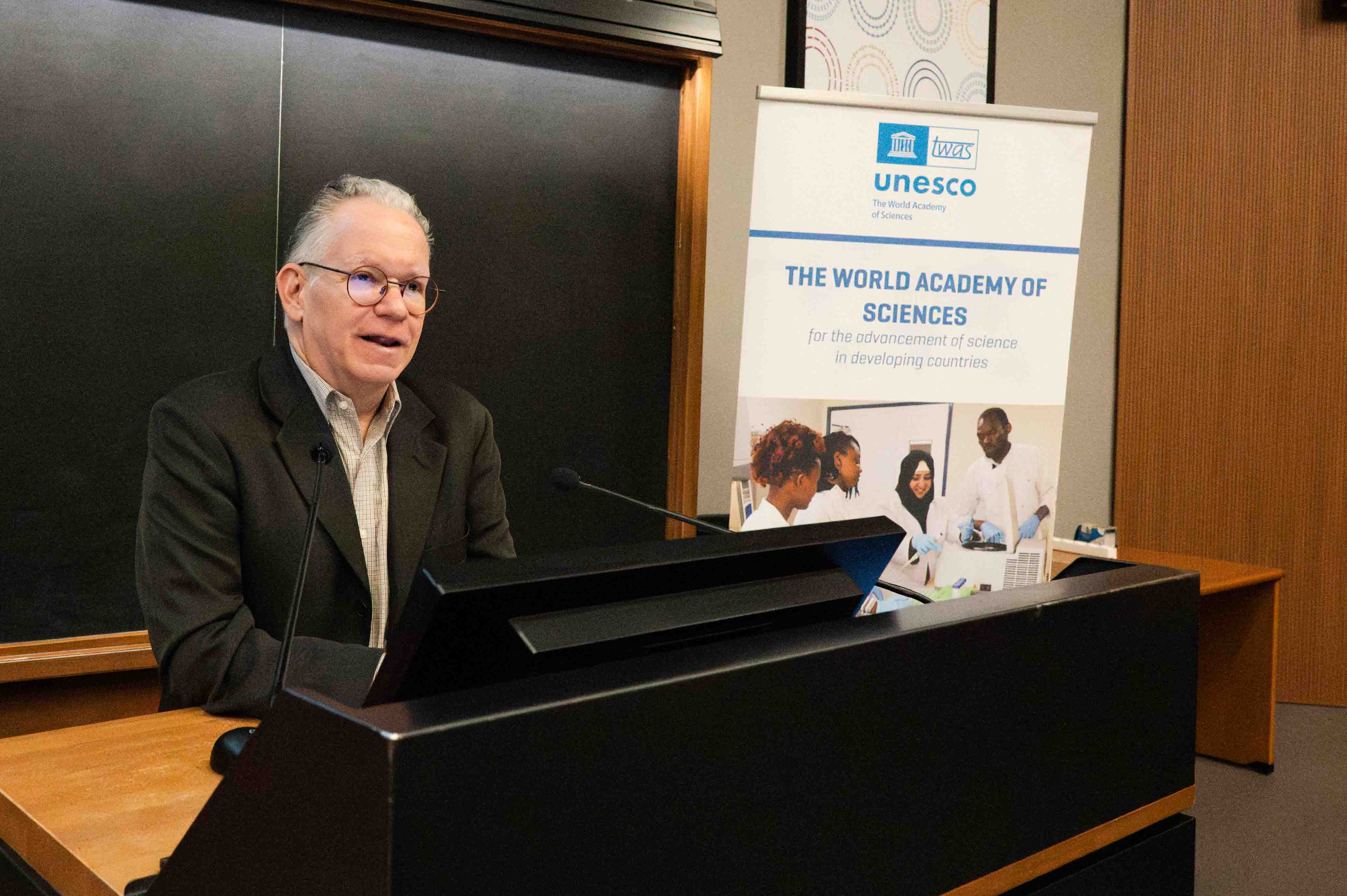
The workshop reflects two shared goals of the IPCC and TWAS: strengthening scientific capacity in regions most vulnerable to climate change, and ensuring the perspectives of experts from those regions are better represented in global climate assessments. While the IPCC’s mandate is to provide governments with authoritative scientific assessments to inform climate policy, TWAS works to advance scientific excellence in developing countries. This collaboration unites those missions together into a practical, singular project.
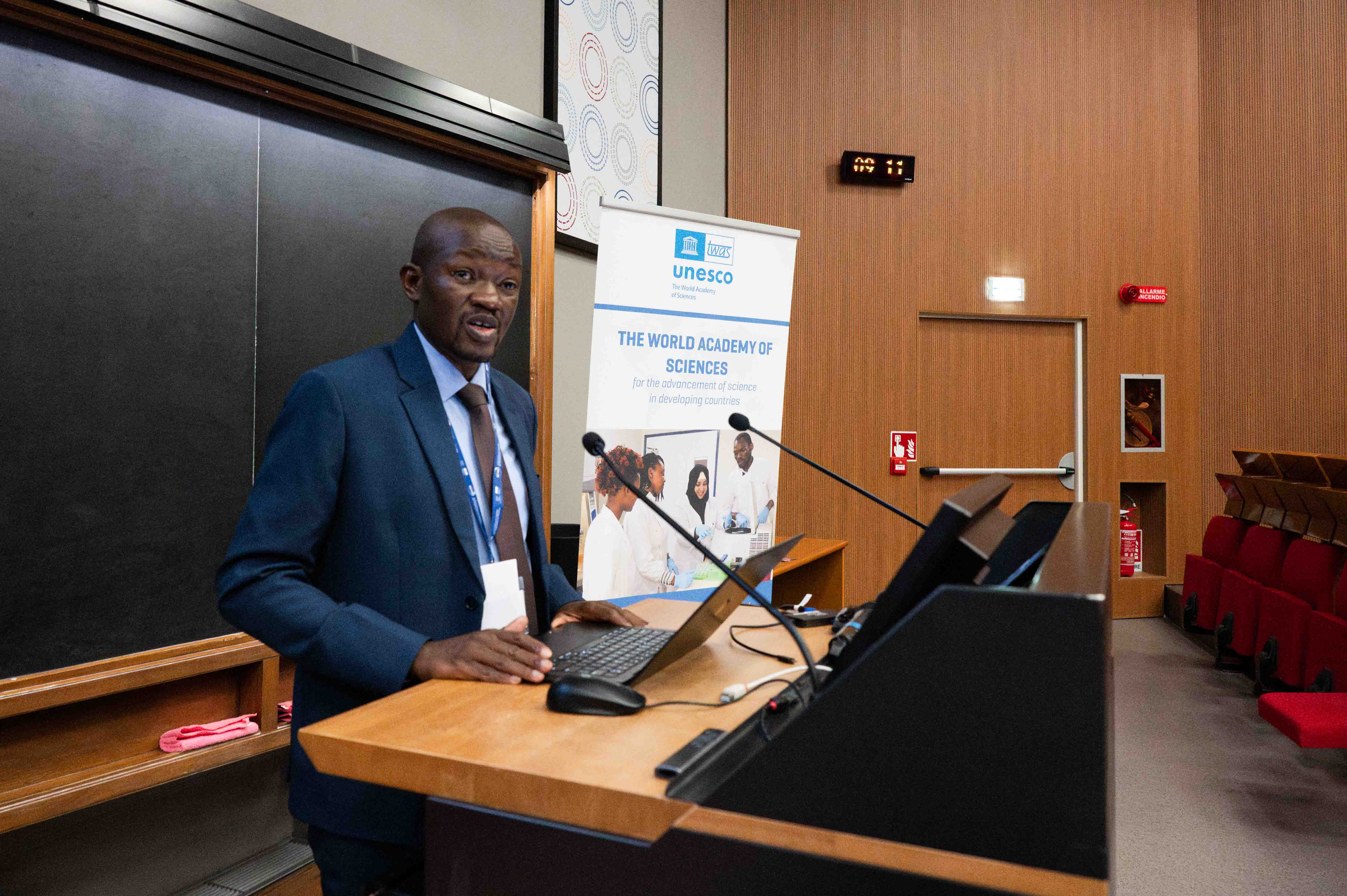
Throughout the workshop, IPCC experts will lead sessions on climate science, adaptation strategies—particularly in under‑resourced and vulnerable contexts—policy engagement, and strengthening the science–policy dialogue to support more effective climate action. A key objective is to familiarise participants with the IPCC process, how assessments are produced, how scientists contribute, and how participation can help elevate perspectives from under‑represented regions.
The workshop is made possible through generous support from the David and Lucile Packard Foundation.
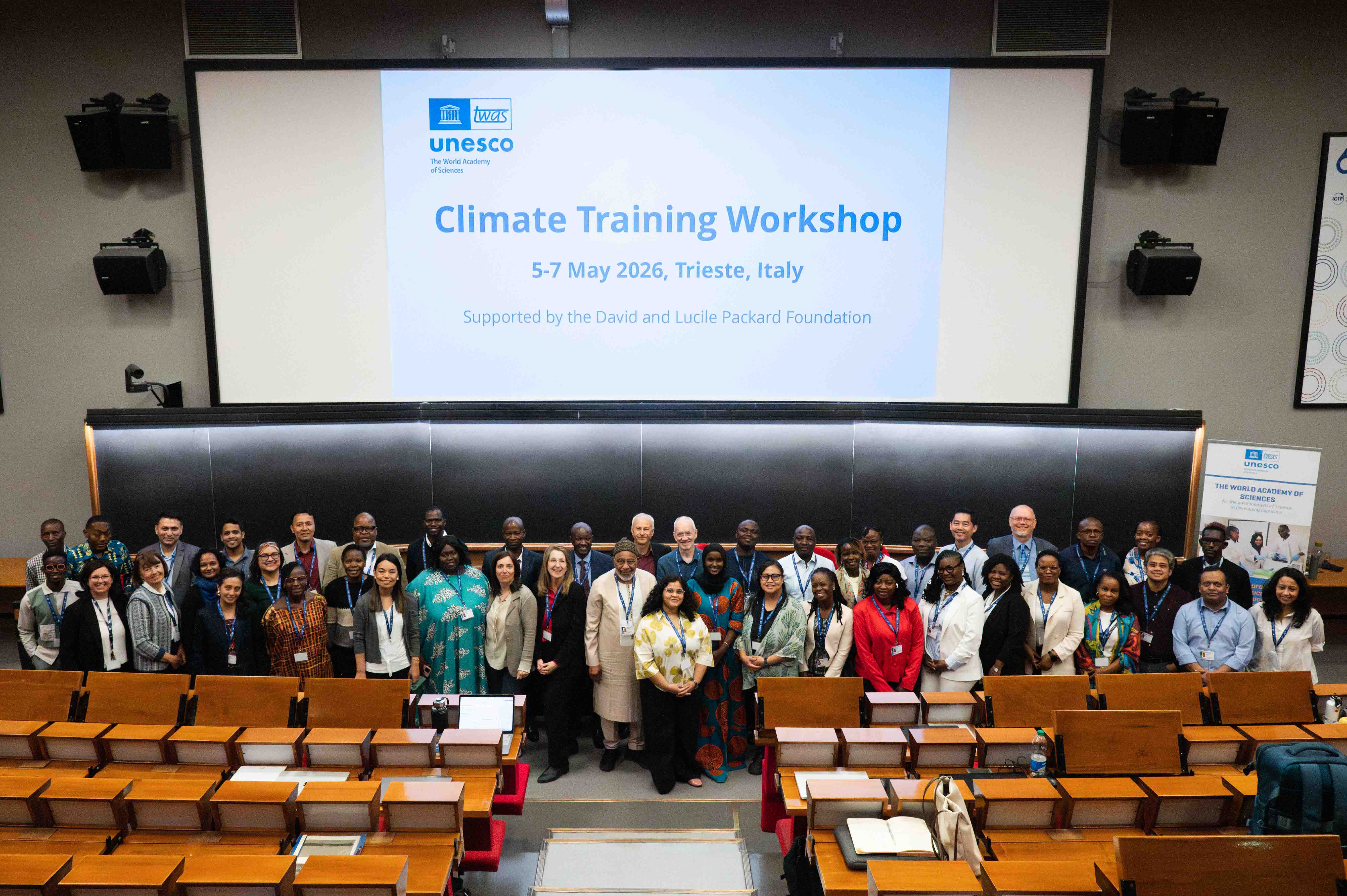
“Our vision is to build a strong and interconnected scientific community in the global South that plays an active role in the IPCC,” said TWAS President Quarraisha Abdool Karim. “This workshop will give participants a clear understanding of how the IPCC operates and what it means, in practice, to contribute to its work.” issues
The workshop is held at the International Centre for Theoretical Physics "Abdus Salam" (ICTP) campus in Trieste, where TWAS is based. Sessions will build on the IPCC’s latest assessment findings, with a focus on regional research needs, key knowledge gaps in the global South, and emerging scientific issues. Participants will also learn about current IPCC initiatives and ongoing expert workstreams.
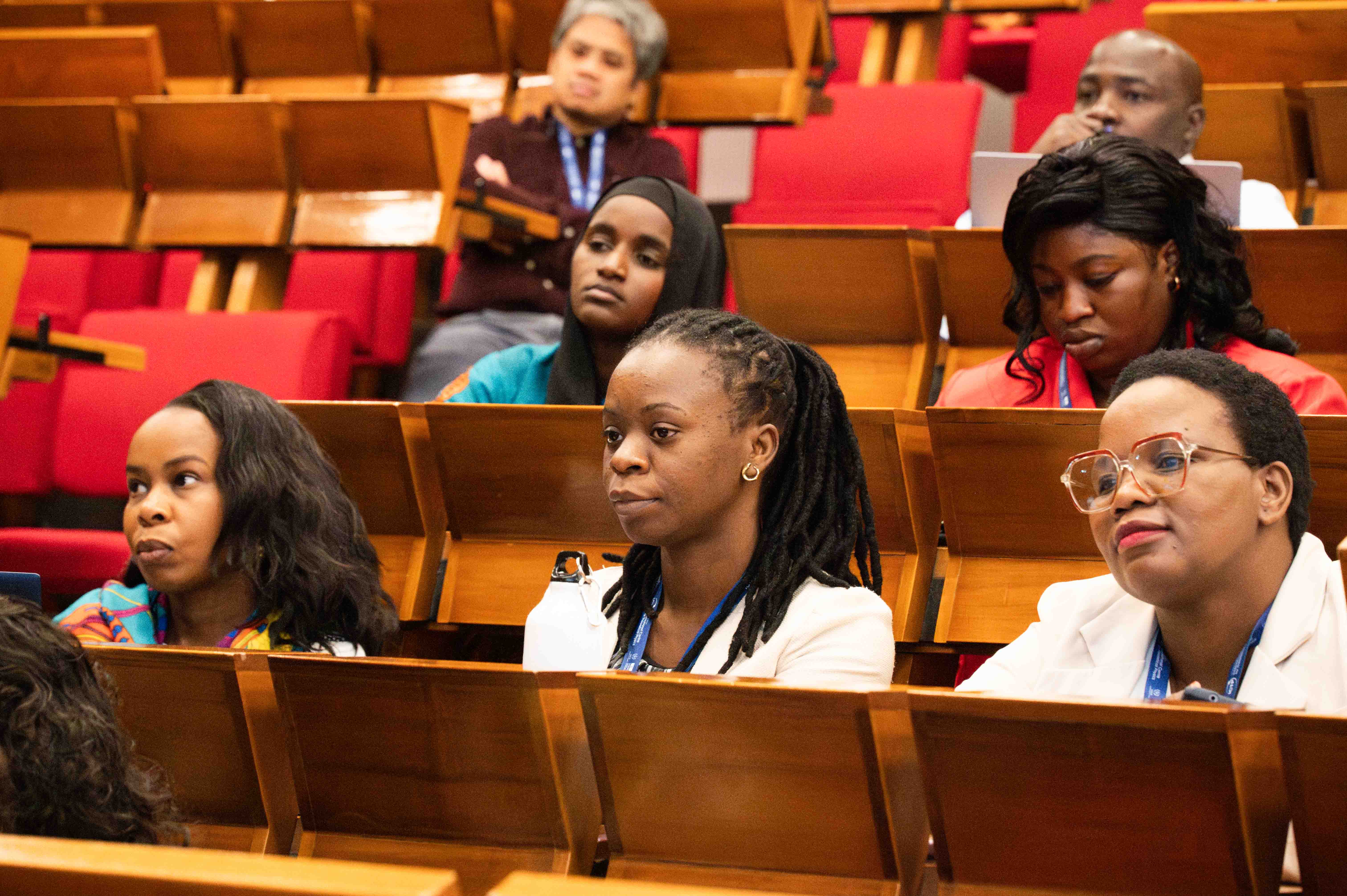
Among the attendees are 11PhD students supported by the TWAS–Sida PhD Scholarships for Climate Research for Students from Least Developed Countries (LDCs). Funded by the Swedish International Development Cooperation Agency (Sida), the programme aims to expand climate research capacity in UN‑designated LDCs and to nurture a new generation of “climate ambassadors”: scientists equipped to engage with policymakers, communicate evidence clearly, and amplify the voices of their local scientific communities on the global stage.
Media Contacts
Cristina Serra - Communications Assistant – cserra@twas.org – 338 4305210