

TRIESTE, Italy, 27 October 2026 – TWAS has launched a new initiative to improve the science-policy dialogue in the Middle East and North Africa (MENA) through a yearly series of workshops. The first workshop opens today and runs until 29 October.
The Academy is organizing the series with essential support from the German Federal Ministry of Research, Technology and Space (BMFTR). Each workshop follows the model of TWAS’s annual science diplomacy course, in which a scientist is paired with a policymaker from the same country.
Rather than focusing primarily on lectures or hypothetical case studies, participants work together on an issue they are currently dealing with in their professional roles. The topics range from national priorities to challenges with regional or international dimensions, and are linked to the priorities of High-Tech Agenda Germany, an initiative focused on key technologies including AI, quantum technologies, microelectronics, and climate-neutral mobility.
Ultimately, the initiative aims to help participants develop concrete, science-based solutions and translate evidence into practical policy options. By grounding discussions in real-world challenges, the workshops are designed to encourage follow-up action and support tangible positive changes beyond the event itself.
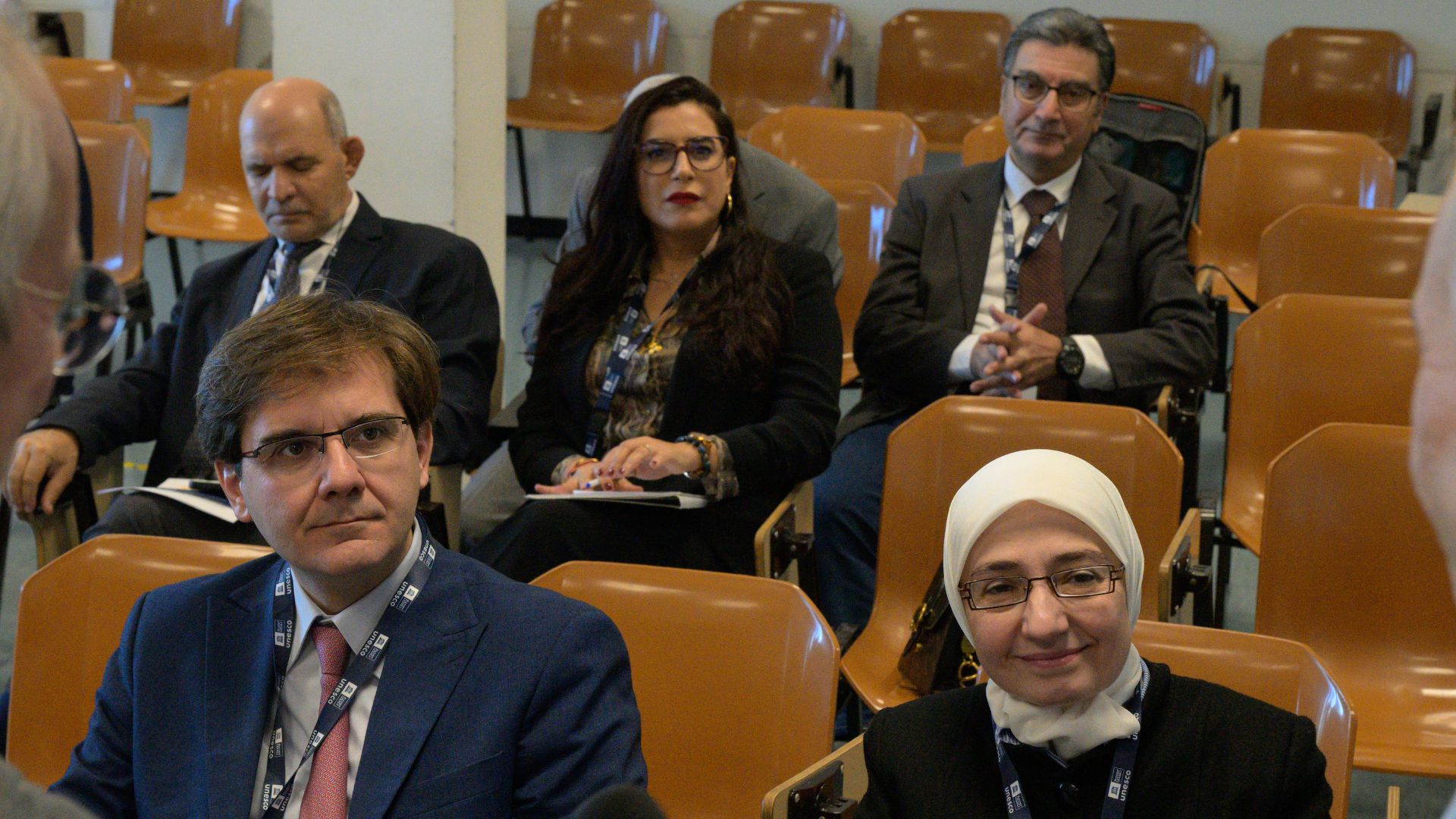
The event, titled ‘Bridging the Science–Policy Gap: Evidence-Based and Sustainability-Compatible Solutions for the MENA Region’, gathers in Trieste seven pairs from Germany, Jordan, Lebanon, Libya, Morocco, Syria, and Tunisia. Each pair is working on a specific policy issue, with topics ranging from energy in Morocco and water governance in Tunisia to the circular economy in Jordan and the digitalization of Syria’s national health system.
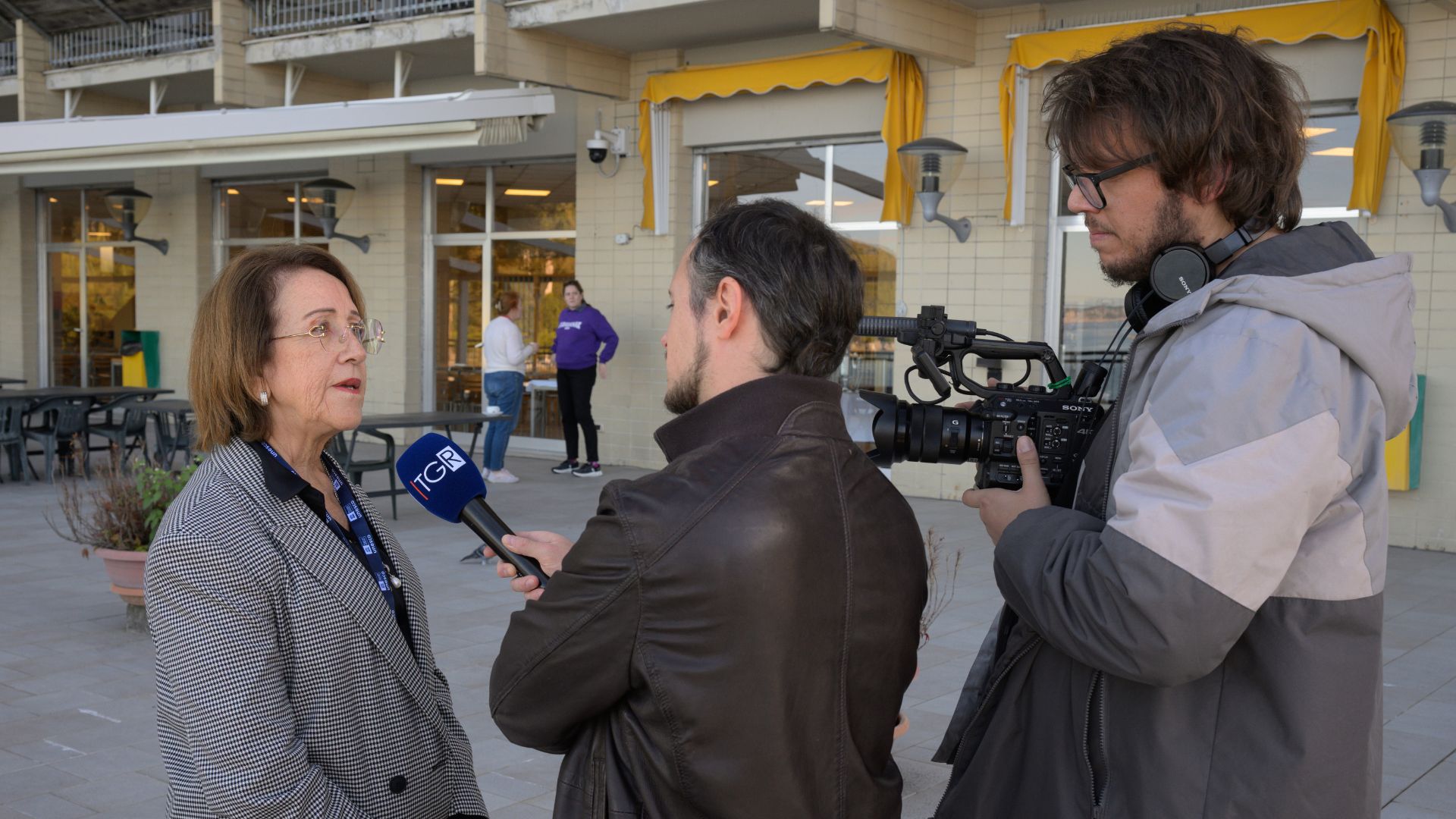
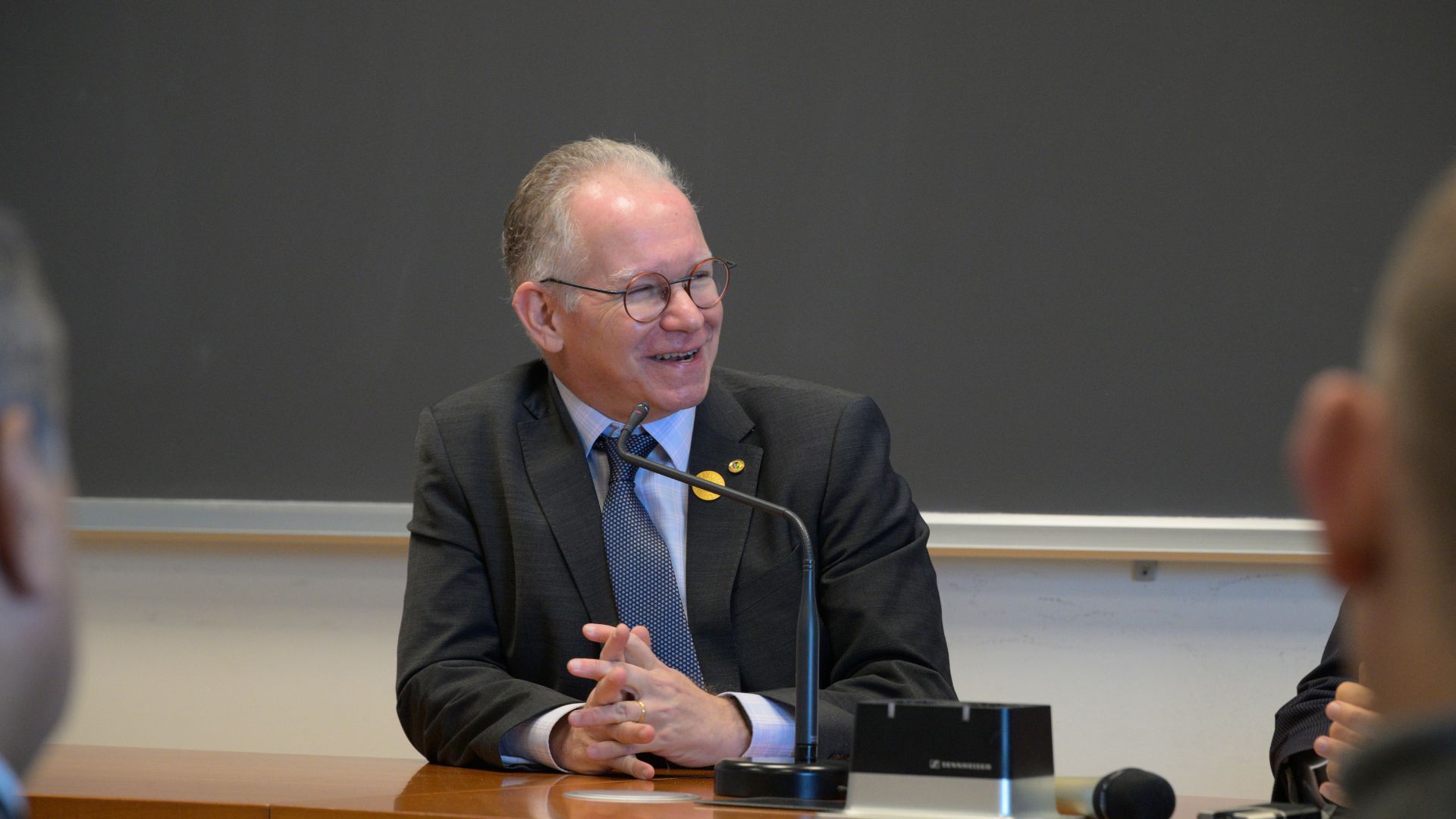
“The pairing system has generated positive results for training the next generation of science diplomats,” said TWAS Executive Director Marcelo Knobel. Over more than a decade, TWAS courses have trained over 400 alumni who are now shaping policy and spreading knowledge of the fast-growing field of science diplomacy across the developing world.
“We’re looking forward to the series, and we are excited to use science diplomacy to foster additional international collaborations in this crucial region,” he added.
“Political decisions involve values, priorities and responsibilities, but they should be based on the best available evidence,” said Erik Hansalek, Head of Division I11, Cooperation with Africa and the Middle East, at BMFTR. “That requires more than publishing excellent research. It requires communication, mutual understanding and trust. Science cannot replace diplomacy, and it cannot replace politics, but it can make progress more informed, more effective, and sometimes possible,” he added.
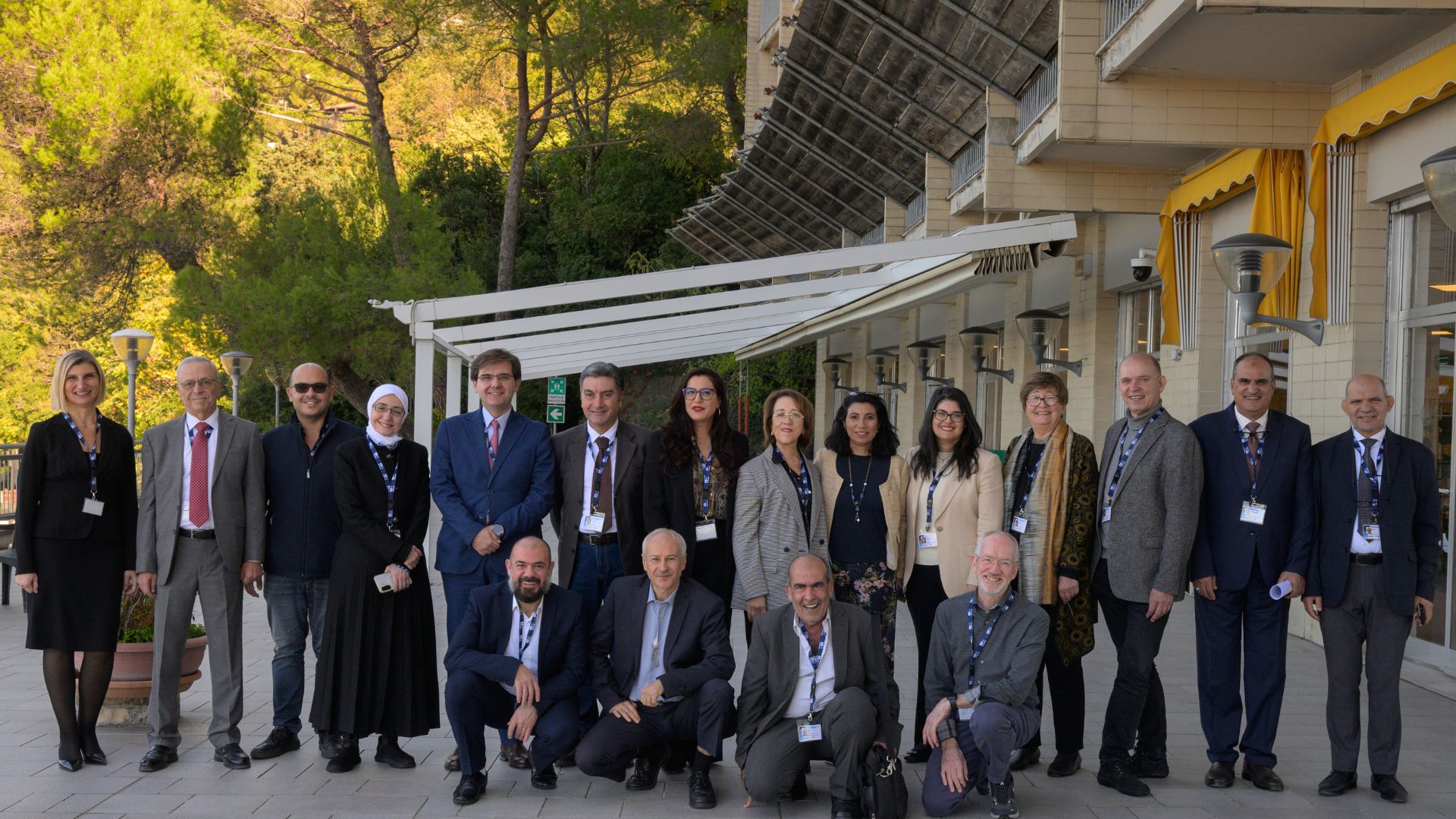
Over the three days, the pairs will work on science diplomacy challenges in discussion groups and present their results to the other participants. Besides learning the skills of science diplomacy, participants will get to know colleagues from other countries, contacts that can grow into joint research projects and other partnerships.
More photos are available on our Flickr pages.