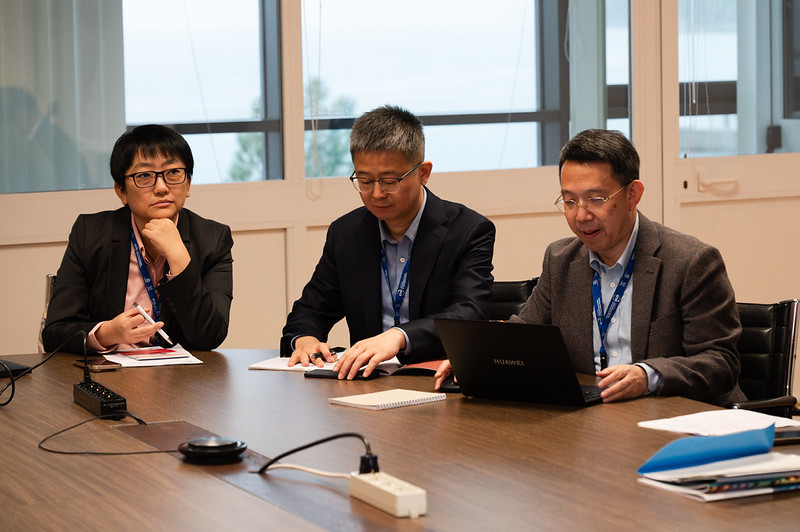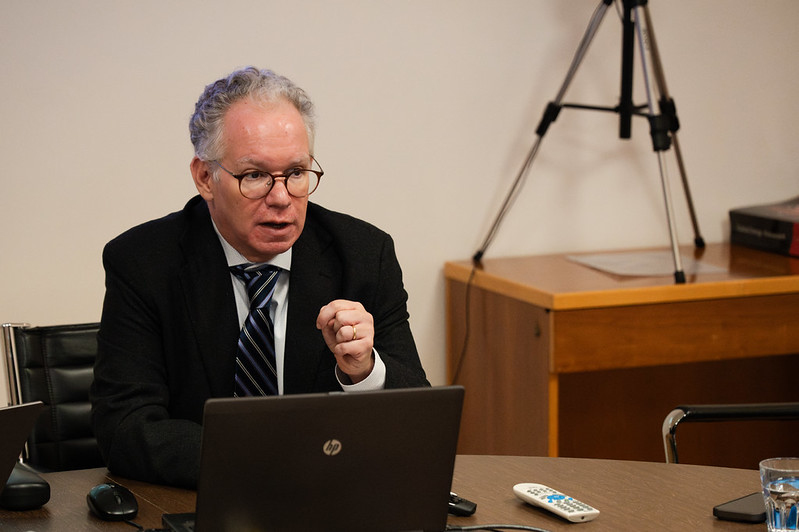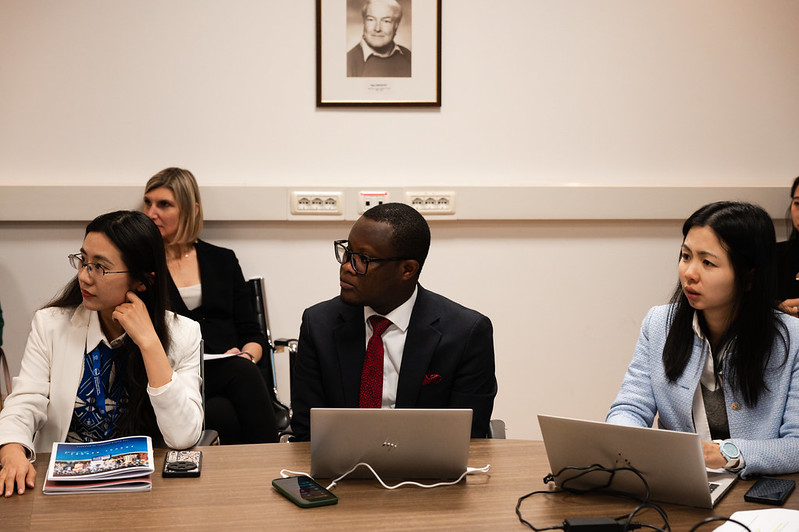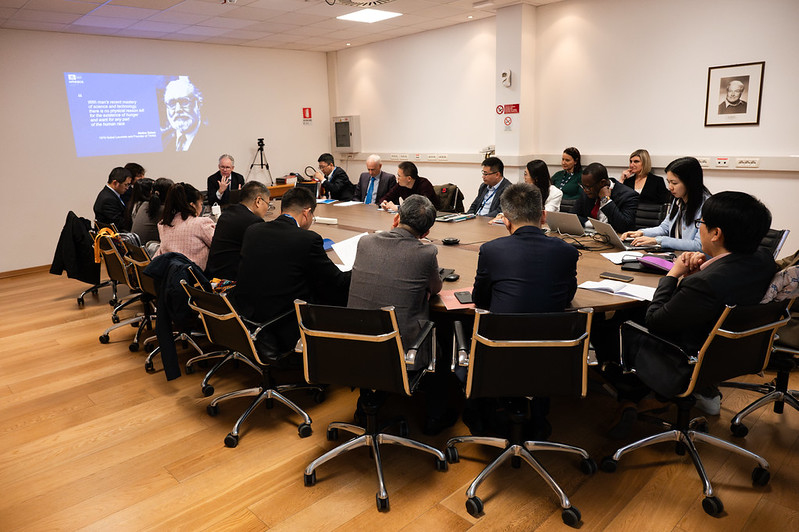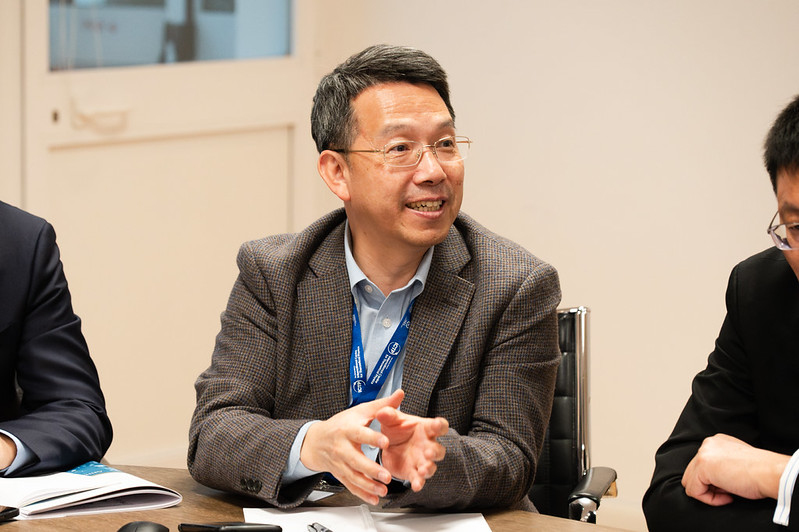


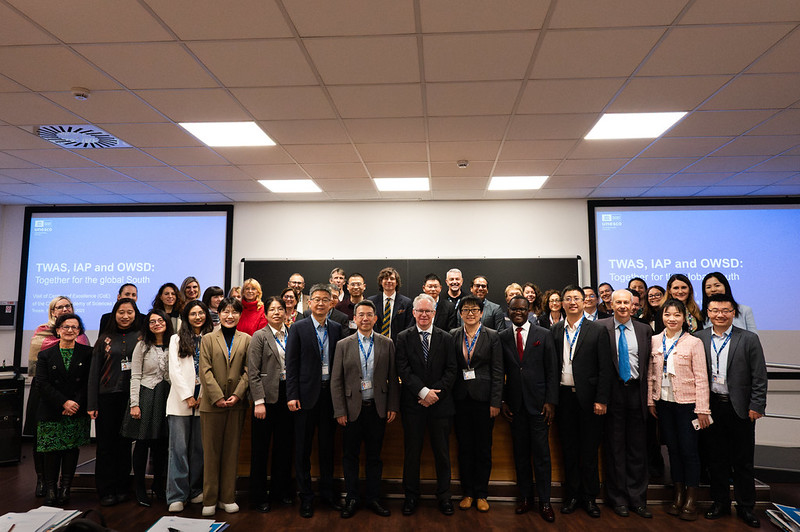
In order to build on over a decade of successful collaboration, TWAS hosted representatives from a 14-person delegation from the Chinese Academy of Sciences at its headquarters in Trieste, Italy, from 24-26 November.
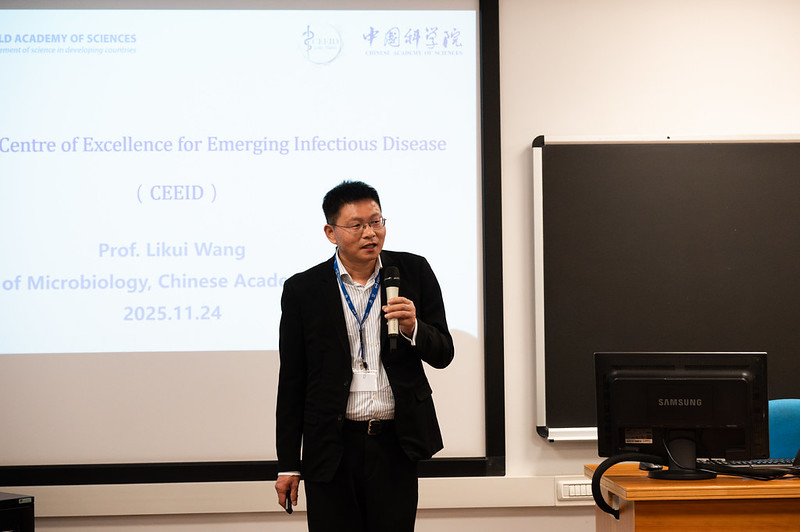
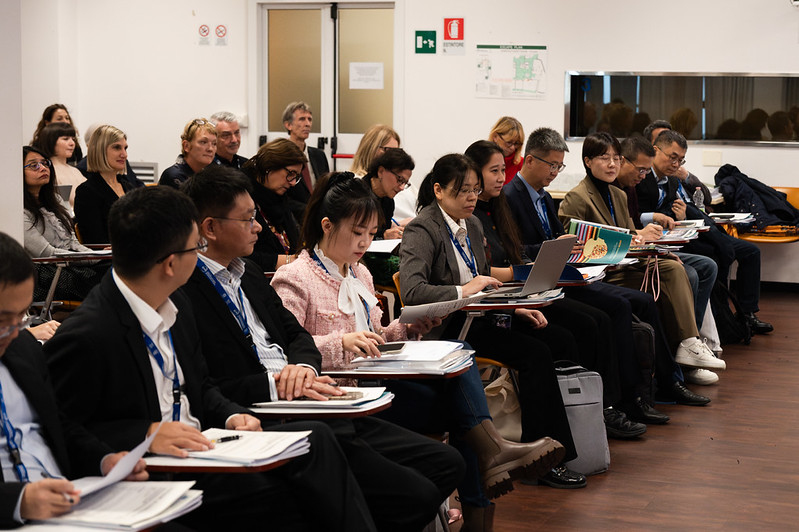
The visitors, each of them representatives of one of the six CAS-TWAS Centres of Excellence in Beijing, China, gave presentations on the progress of their centres since they were established in 2013. The centres offer opportunities for researchers from the developing world to study, train and work in top Beijing-based laboratories, strengthening bonds across borders as research teams learn from the collaborative experience and help build each other’s scientific capacity.
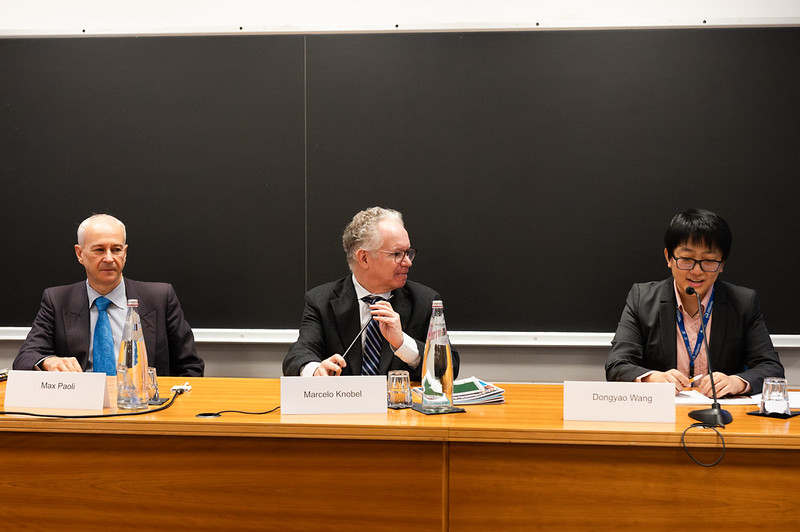
On the first day, representatives talked about developments in green technology, climate science, space science, biotechnology, public health, and more. After the presentations came to a close, and then CAS representatives heard presentations from TWAS about the Academy’s progress. TWAS Executive Director Marcelo Knobel then held discussion on further collaboration.
The six centres are:
- The CAS-TWAS Centre of Excellence for Green Technology (CEGT), based at the CAS Institute of Process Engineering.
- The CAS-TWAS Centre of Excellence for Biotechnology (CoEBio), based at the CAS Institute of Microbiology.
- The CAS-TWAS Centre of Excellence for Climate and Environment Sciences (ICCES), hosted by the CAS Institute of Atmospheric Physics.
- The CAS-TWAS Centre of Excellence for Water and Environment (CEWE), hosted by the CAS Research Centre for Eco-Environmental Sciences.
- The CAS-TWAS Centre of Excellence for Emerging Infectious Disease (CEEID)
- The CAS-TWAS Centre of Excellence for Space Technology for Disaster Mitigation (SDIM), hosted by the CAS Institute of Remote Sensing and Digital Earth.
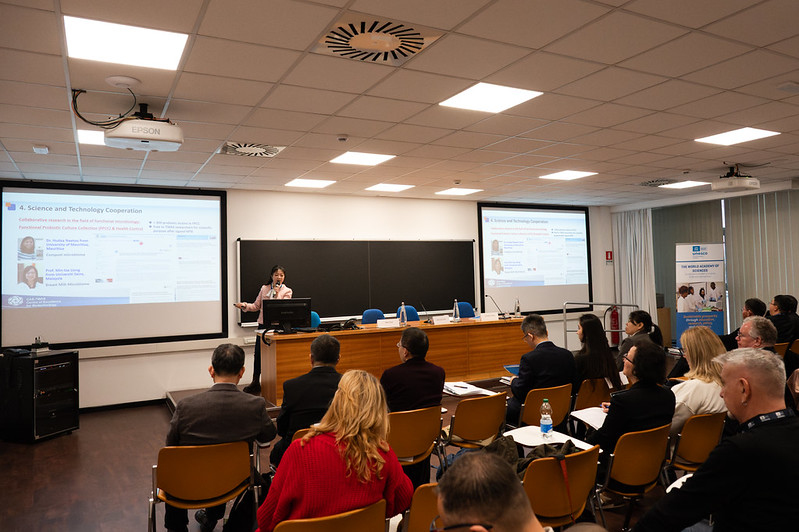
The day’s events were also attended by two UNESCO representatives from the organization’s Regional Bureau for Science and Culture in Europe in Venice, Italy: Samuel Partey, head of science unit; and Jing Fang, associate project officer.
On the second day, the visitors were taken on a tour of the Trieste Science System, including the University of Trieste, the International Centre for Genetic Engineering and Biotechnology (ICGEB), and the National Institute of Oceanography and Experimental Geophysics (OGS).
Sean Treacy