

Scientists from Brazil, Chile, Ghana, and Kyrgyzstan are in Trieste for the TWAS Young Affiliates Network (TYAN) workshop on Emerging Themes in Neurobiology. Held 17–19 March at the International School for Advanced Studies (SISSA), the event explores cutting-edge advances in brain science, and brings together international speakers, including Timo van Kerkoerle of the Donders Centre for Neuroscience, Radboud University (The Netherlands), and Vincenzo Alessandro Gennarino of the Department of Genetics and Development, Columbia University Irving Medical Center (United States).
“We are very happy to organize this important workshop in Trieste, in partnership with SISSA. On one hand, the researchers will have the opportunity to feel the vibrant scientific atmosphere of the Friuli Venezia Giulia region. On the other hand, we will have the chance to host several members from the Young Affiliate Network of TWAS, which is a dynamic group with several brilliant minds from developing countries,” said TWAS Executive Director Marcelo Knobel.
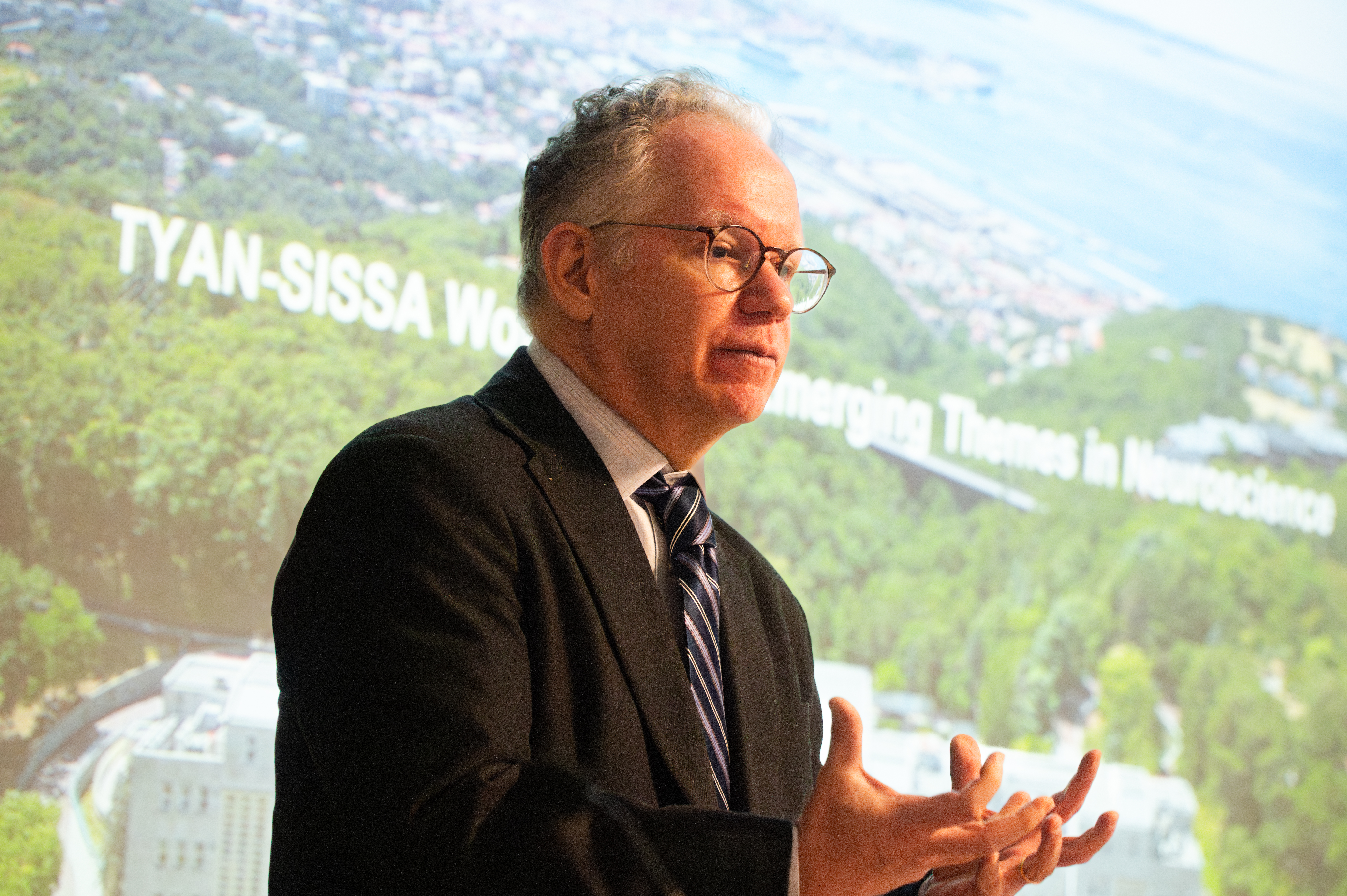
The workshop aims to foster scientific exchange, collaboration, and new perspectives on the rapidly evolving frontiers of brain research. Speakers will address novel ways to understand neurological disease, state-of-the-art techniques to study the development and neuromodulation of the sensory system for the sense of smell, social isolation in aging, and the use of open data and AI in neuroscience.
“SISSA strongly believes in initiatives that connect young scientists from developing countries with international institutions,” said Laura Ballerini, a full professor of physiology at SISSA who oversaw the scientific programme with Paul Heppenstall, a colleague and professor of physiology at SISSA. “By partnering with TWAS, we are promoting collaborative opportunities and access to the advanced technologies needed in modern neuroscience to gain new insights into the brain."
And she added: “The main importance of a workshop like this one is that it involves scientists from the global South, which is one of TWAS's missions. It uses neuroscience to create networks and opportunities to connect different aspects of our world, which is currently so fragile. Thus, science can be truly seen as a mechanism for new opportunities, connections, and initiatives.”
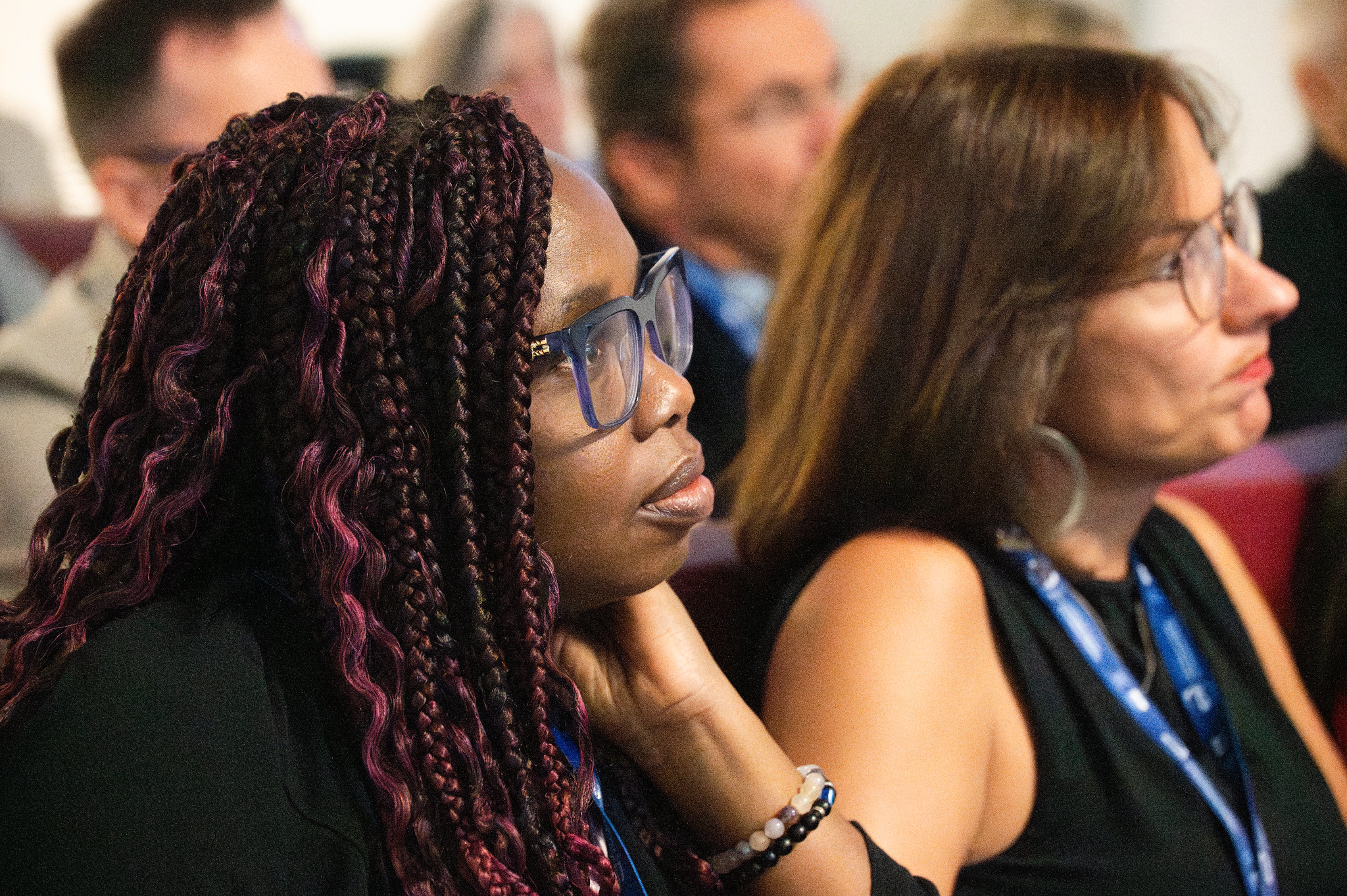
TYAN Alumna Priscilla Mante, a workshop participant and a professor of pharmacology at Kwame Nkrumah University of Science and Technology in Kumasi, Ghana, explores the therapeutic potential of African medicinal plants and the molecular mechanisms underlying drug-resistant epilepsy.
“This workshop is going to be very important for me to establish new collaborations,” she said. “There are also some skills that I'm looking to build, in particular in the field of imaging and molecular pharmacology. Already this morning, I have had the opportunity to learn the fundamentals of some cutting-edge technologies, which I can use to diversify the techniques I am already applying in Ghana.”
This event is part of the TYAN International Thematic Workshop (TITO) programme, designed to strengthen capacity among TYAN scientists and spark multidisciplinary international collaborations.
Launched in 2016, TYAN recognizes the most accomplished young scientists in regions across the developing world. Each year, TWAS—in collaboration with its five Regional Offices—selects up to 25 outstanding young scientists under the age of 40 as TWAS Young Affiliates, who remain part of the network for six years before becoming Alumni. Today, the network counts 153 Young Affiliates and 328 Alumni.
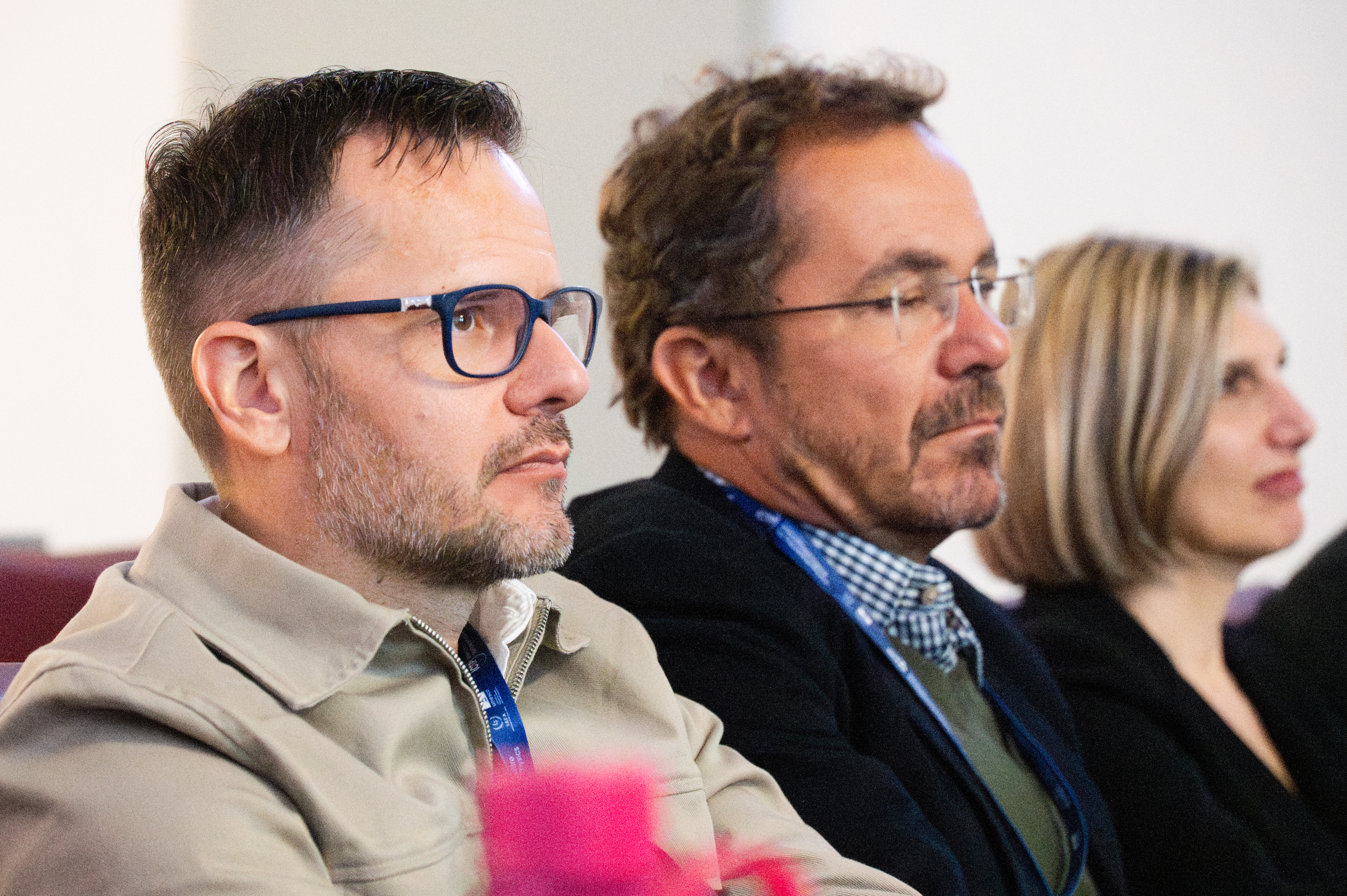
More pictures are available on the TWAS Flickr pages.
About TWAS
Founded in 1983 and officially inaugurated in 1985, TWAS supports sustainable prosperity through research, education, policy, and diplomacy. With its partners, it has graduated almost 1,300 PhDs and supported more than 980 postdoctoral fellowships. The Academy also bestowed almost 1,300 prizes, awarded over 2,700 research grants, trained over 750 individuals in science diplomacy, and supported over 1,400 exchange visits. TWAS is based in Trieste, Italy, and is administered as a Programme Unit of UNESCO.