



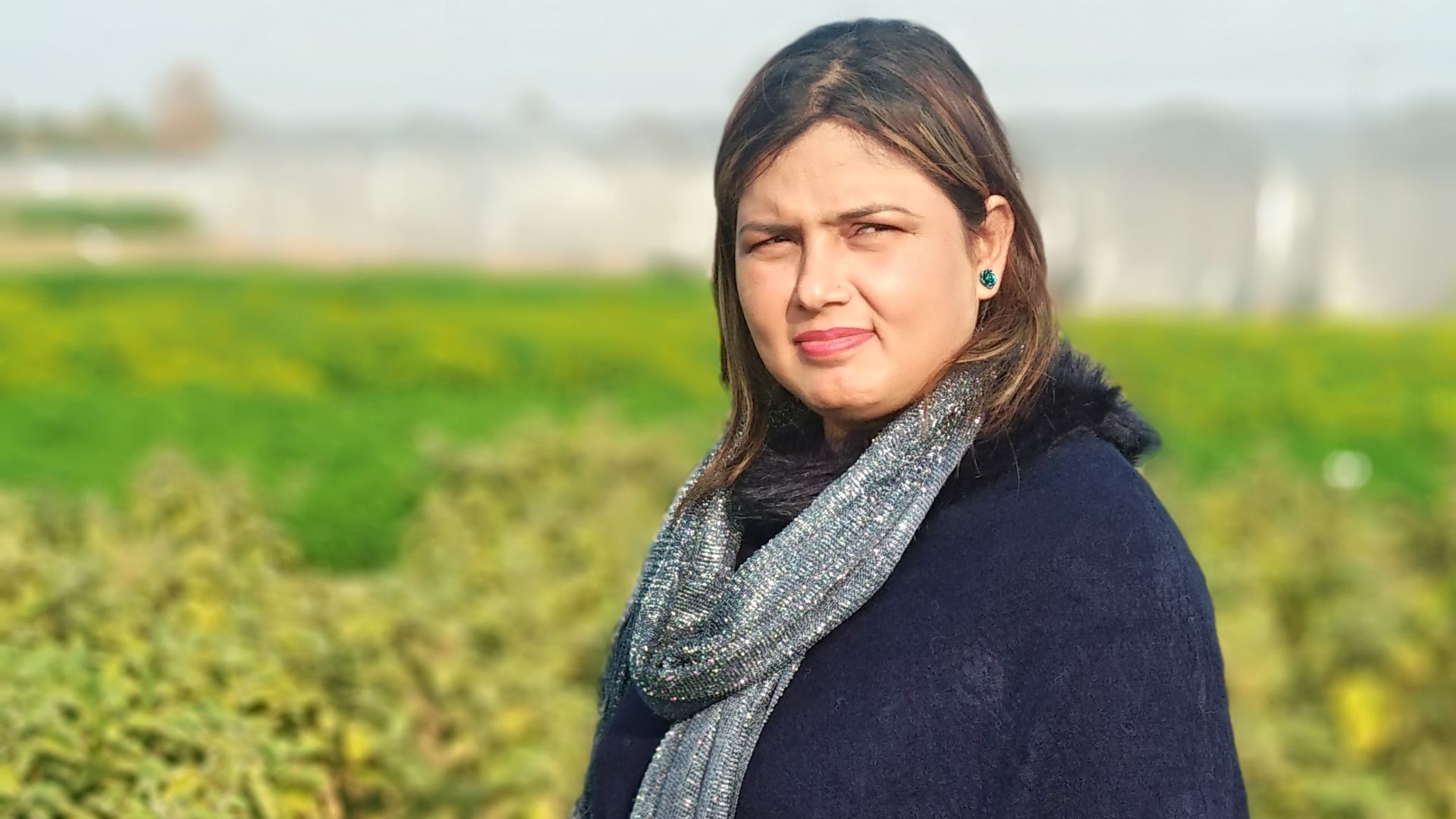
Pakistani plant scientist Nudrat Aisha Akram is working to strengthen her country’s agriculture by finding practical ways to make crops more resistant to climate-related threats. She also collaborates closely with farmers to better understand the challenges they face in the fields. Her work is especially important in Pakistan, which a United Nations Framework Convention on Climate Change report lists among the world’s ten most vulnerable countries.
Floods, droughts, heatwaves and melting glaciers are increasingly damaging Pakistan’s harvest. This puts the economy at risk, since agriculture makes up about 23 per cent of the country’s GDP and employs more than a third of its workers, according to data from the Food and Agriculture Organization of the United Nations.
Akram, a TWAS Young Affiliate Alumna and professor in the Department of Botany at Government College University Faisalabad in Pakistan, believes that plant science in her country often remains focused within laboratories, while many of the challenges faced by low-income farmers receive less attention. Bridging this gap, she believes, could help ensure that scientific advances translate more directly into practical benefits for those working in the fields.
As a result, she committed herself to building stronger ties with farmers by meeting them directly. She visited villages in the Sahiwal and Sargodha districts of Punjab, where she observed the difficult conditions smallholders face: limited social support, scarce resources, and poor access to markets.
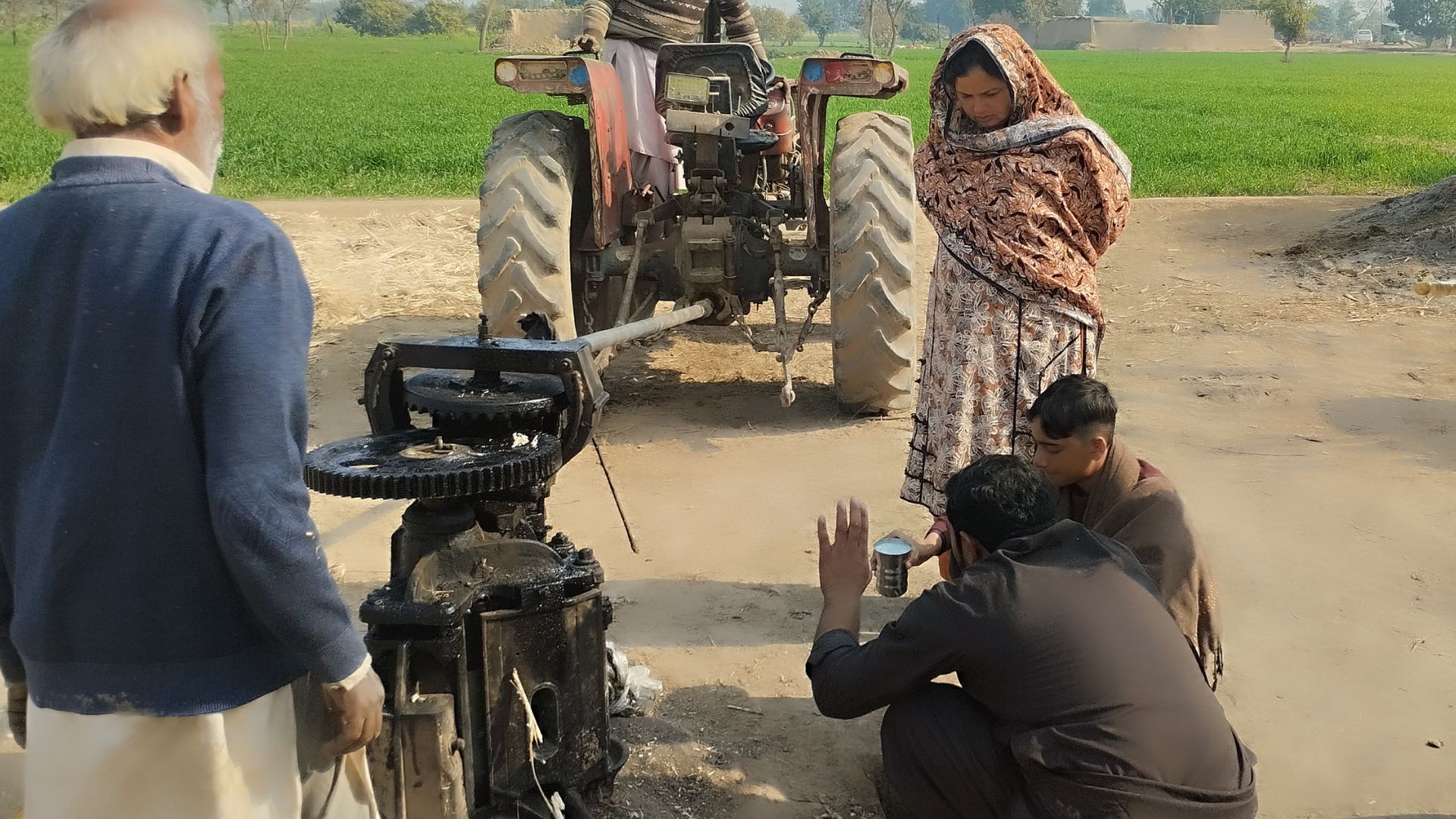
Those encounters proved valuable and encouraged her to spend more time outside the laboratory, offering farmers practical advice and support. Regular, personal contact, she concluded, should be an integral part of both research planning and university curricula, as it helps bridge the gap between scientific work and its real-world applications.
The following interview, edited for clarity, reports about Akram’s experience in the fields.
Q. What sparked your interest in farmers?
A. Both my parents are working for the government of Pakistan, but we had some agricultural land and my home is in a village. Due to my interest in agriculture, my father often took me to visit our fields, and I helped harvest vegetables and fruits. When I became a researcher and plant scientist, my passion turned into a professional commitment.
Q. Why did you begin field visits to farmers outside the lab?
A. Since 2006, I have been primarily involved in laboratory-based research, and my fields visits were planned with postgraduate students, in line with their research objectives. These visits took place in controlled and predefined contexts, and failed to give me a sense of the real and pressing problems farmers face. Unplanned visits to farming fields with my family turned out to be eye-opening experiences. Farmers described their daily challenges: lack of access to quality seeds, insufficient and untimely weather forecasts during sowing and harvesting periods, hardships in borrowing equipment and machinery, and the struggle to bring their produce to market.
Q. How did you set up those field visits?
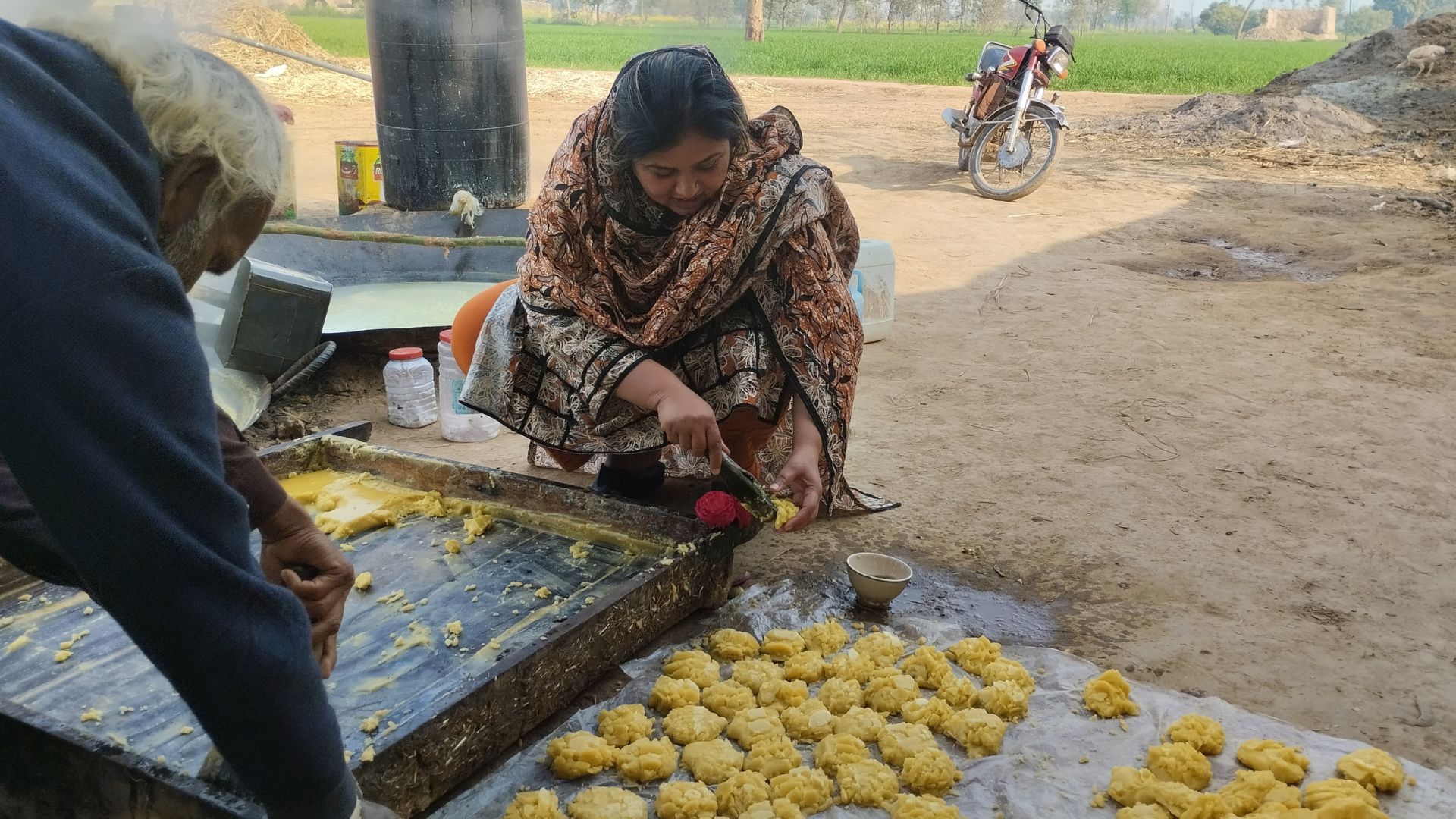
A. We began by walking through fields of maize, wheat, sugar cane and a variety of vegetables. Sometimes we sat on the ground while farmers were working. Other times, we sat in shaded areas and had constructive discussions. Farmers were always respectful, humble, and a bit shy. They spoke openly about their problems, trusting that I might be able to help.
Q. What kind of advice did you offer, and what insight did you receive from those meetings?
A. My research focuses on the frequency of irrigation, water quality, soil health and nutrient profiles, use of plant or animal waste, crop rotations, and knowledge of pests and their control mechanisms. Farmers were eager to pick my suggestions on using healthy seeds, checking weather forecasts on their mobiles, planting around their fields to reduce soil erosion, and growing different crops together or in sequence to keep their soil healthy. What I received in return was the hope I saw in the farmers’ eyes. This experience fuelled my belief in the importance of increasing collaborative approaches, transferring practical hands-on information, and advocating for new government policies.
Q. Older farmers might be eager to widen their knowledge. What about the youngest generations, for whom agriculture is less appealing?
A. Engaging Gen Z and Gen Beta would be extremely important, because of the mutual exchange it would trigger. Young people could learn about traditional practices and pay back with robust and smart ideas to generate positive outcomes. They are smart, creative and quick, and the added value they could bring to a new kind of agriculture is immense.
Q. Do you have plans to support farmers and pave the way for a new kind of agriculture?
A. In departmental meetings, with my post-graduate students, in my research projects, and research publications I promote the idea that agriculture needs a change of approach—one that gets closer to farmers’ real needs by creating a privileged, two‑way channel of communication. Laboratory research provides depth and control, while field visits provide breadth and realism. Together, they can create a more robust, credible, and impactful organic research framework.
Q. Do university curricula in Pakistan offer this kind of knowledge to students of agronomy or agriculture?
A. Not yet. University curricula should include field visits, internships in villages and fields, and even participation in small-scale festivals to engage different generations and reduce the gap between them. Pakistan is an agricultural country. Every student interested in science, the arts, doctorates, or engineering should pursue training in agriculture. And I am committed to turning this need into something concrete.
Cristina Serra