

Six scientists of the TWAS Young Affiliates Network (TYAN) participated in the AACR on Campus-Malaysia congress held on 13–14 November in Sarawak, a Malaysian state on the island of Borneo. The event provided an opportunity to exchange expertise and skills with cancer experts from around the world.
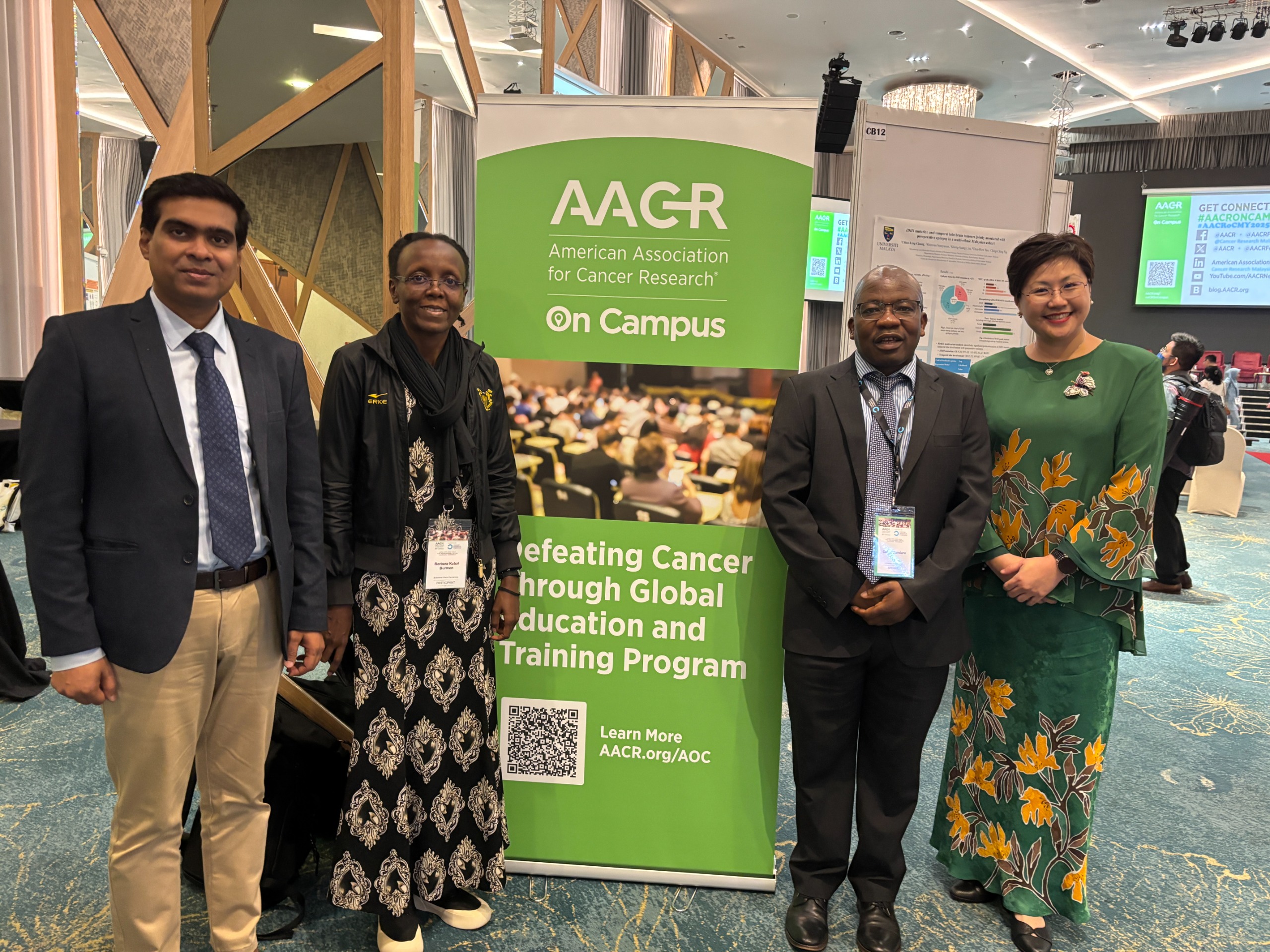
The Congress’s form and content were specifically formulated for early-career cancer researchers and clinical communities in Malaysia and the Asia region. The aim was to ensure that advancements and innovations in cancer immunotherapy, cancer genomics, precision oncology, and best practices in early clinical trial design become shared resources for cancer researchers in the global South.
Inaugural Chair of TYAN Sok Ching Cheong, who is chief scientific officer of Cancer Research Malaysia and was inducted as a 2026 TWAS Fellow, led the initiative. “At the event, I saw immediate impact: Young researchers were actively engaging speakers, refining their research questions, and even initiating collaborations across institutions and countries,” Cheong said.
The meeting drew over 170 participants representing 16 countries and 25 institutions, with about 60 presentations. It featured international experts delivering sessions on the most important cancer-related topics, supported by local scientific leaders who adapted the content to the Southeast Asian context.
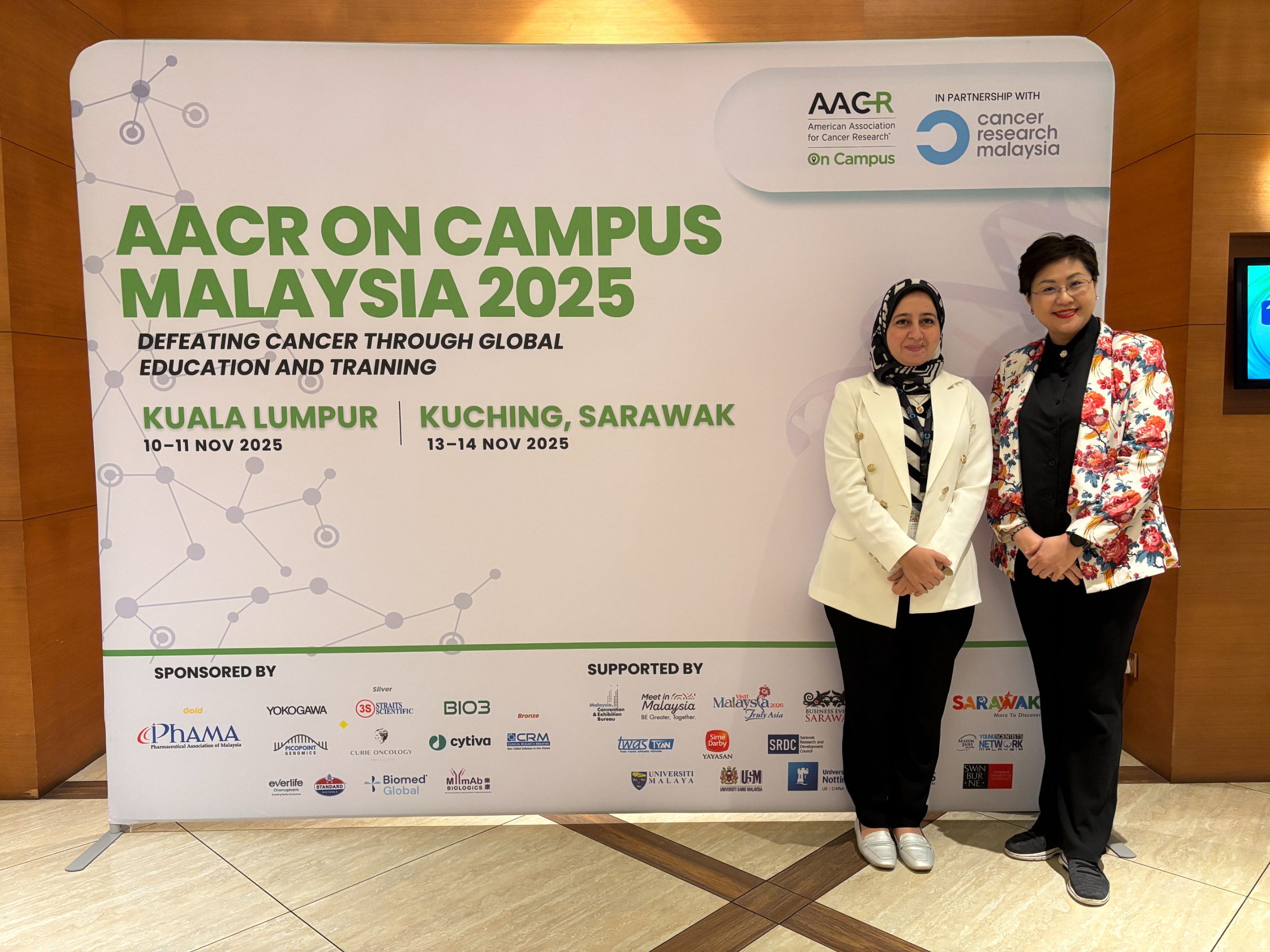
TYAN members from across Africa and Asia actively participated in the event. Malaysian researcher New Siu Yee introduced TYAN’s mission, emphasizing the network’s commitment to empowering young scientists through South-South collaboration, skills development, and networks of peers.
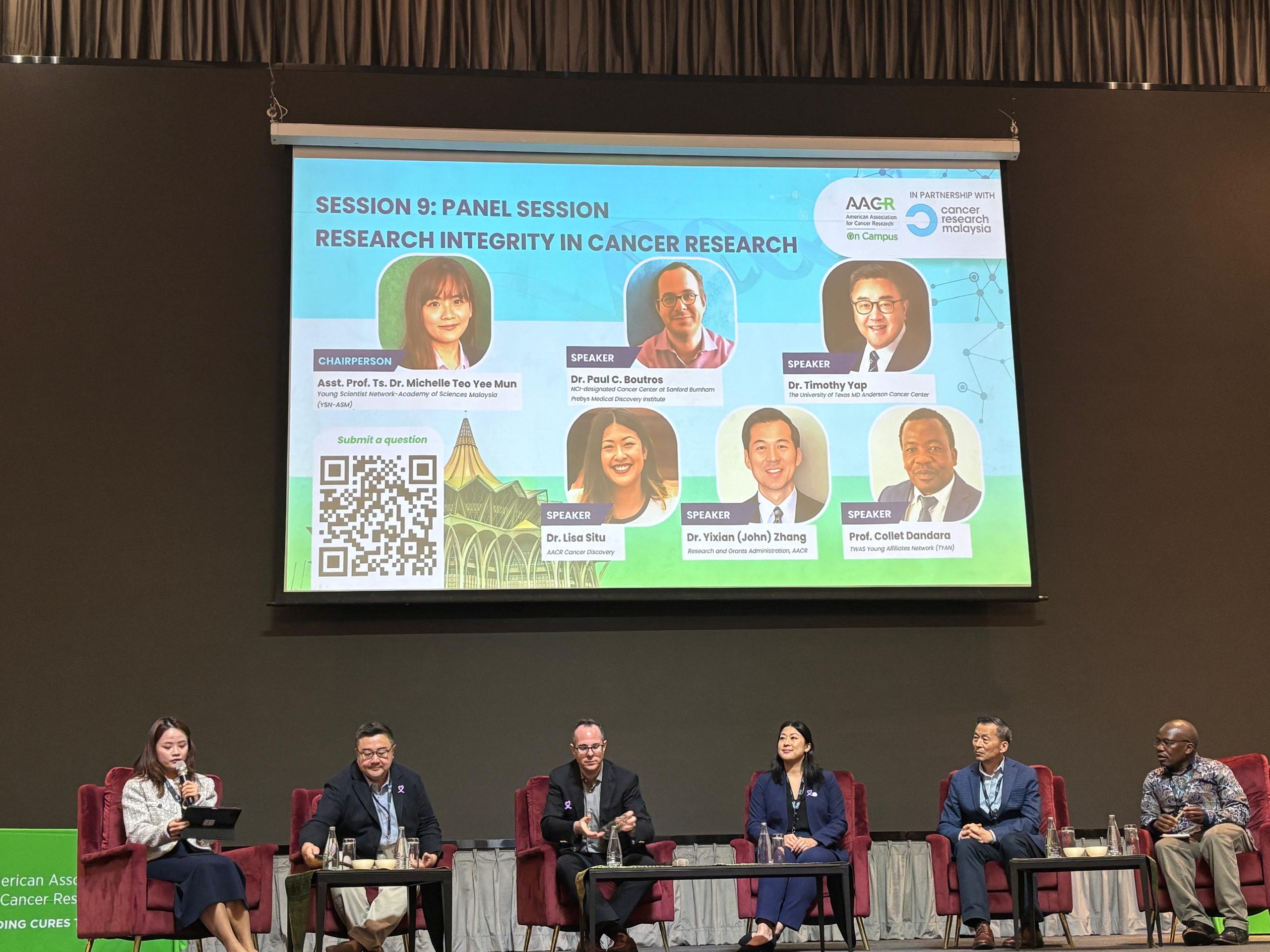
TWAS Young Affiliate Alumnus Collet Dandara, a professor of human genetics of South Africa served as a panellist in a high-level session on research integrity in cancer research, where he joined international leaders to discuss ethical conduct, data transparency, mentor–mentee responsibilities, and the emerging challenges posed by artificial intelligence in science. These discussions showed the importance of ethical, collaborative, and globally aligned cancer research ecosystems.
“Many participants told us that the sessions on research integrity, grant writing, and publishing clarified gaps they face daily, and gave them practical tools they can apply straight away in their projects,” added Cheong.
The event was further strengthened by the presence of other TYAN members who travelled to Malaysia to participate. Among them were Malaysian Khin Wee Lai, a member of the TYAN executive committee; Egyptian specialist in pharmaceutical sciences and TWAS Young Affiliate Reham Ibrahim of Egypt; Kenyan epidemiologist and TWAS Young Affiliate Alumna Barbara Kabai Burmen of Kenya; and genetic engineer and TWAS Young Affiliate Alumnus Abul Bashar Mir Md Khademul Islam of Bangladesh.
Their involvement demonstrated TYAN’s commitment to encouraging cross-regional learning and networks. By taking part in scientific lectures, poster presentations, and professional development workshops, the TYAN delegation brought diverse perspectives into cancer research priorities and capacity-building needs across Africa and Asia.
Workshops on scholarly publishing and grant writing—facilitated by senior AACR editors and research administrators—offered practical instruction that is often unavailable to early-career scientists in developing research environments.
The meeting also brought together clinicians, public health specialists, and patient advocates to examine cancer disparities, putting research into practice, and how to translate research into equitable care. This reflected a core principle: scientific progress is strongest when global expertise is combined with locally grounded solutions. For TWAS and TYAN, AACR on Campus Malaysia showcased the power of international collaboration for nurturing the next generation of scientific leaders.
“In the short term, programmes like AACR on Campus give early-career scientists direct access to world-class expertise that they would not otherwise encounter locally,” observed Cheong. “By bringing global leaders to our doorstep, we accelerate the transfer of knowledge, expose young researchers to emerging fields, and help them build the confidence and networks they need to participate meaningfully in international science.”
Cristina Serra