Through grant programmes supported by Sida and BMFTR, TWAS strengthens researchers and institutions across the country
Across Kenya’s universities and research institutes, science unfolds in visible, everyday moments: students chatting as they cross campus, seedlings growing in laboratory trays, humanoid robots interacting with people, and researchers at work with microscopes.
This momentum is part of a broader national push. The Kenyan government is pursing what the latest UNESCO Science Report calls, “an ambitious digital strategy to transform the country into a knowledge economy.” That strategy relies on the research infrastructure of its universities, and through its grant programmes, TWAS is giving researchers support they need to be part of that transformation.
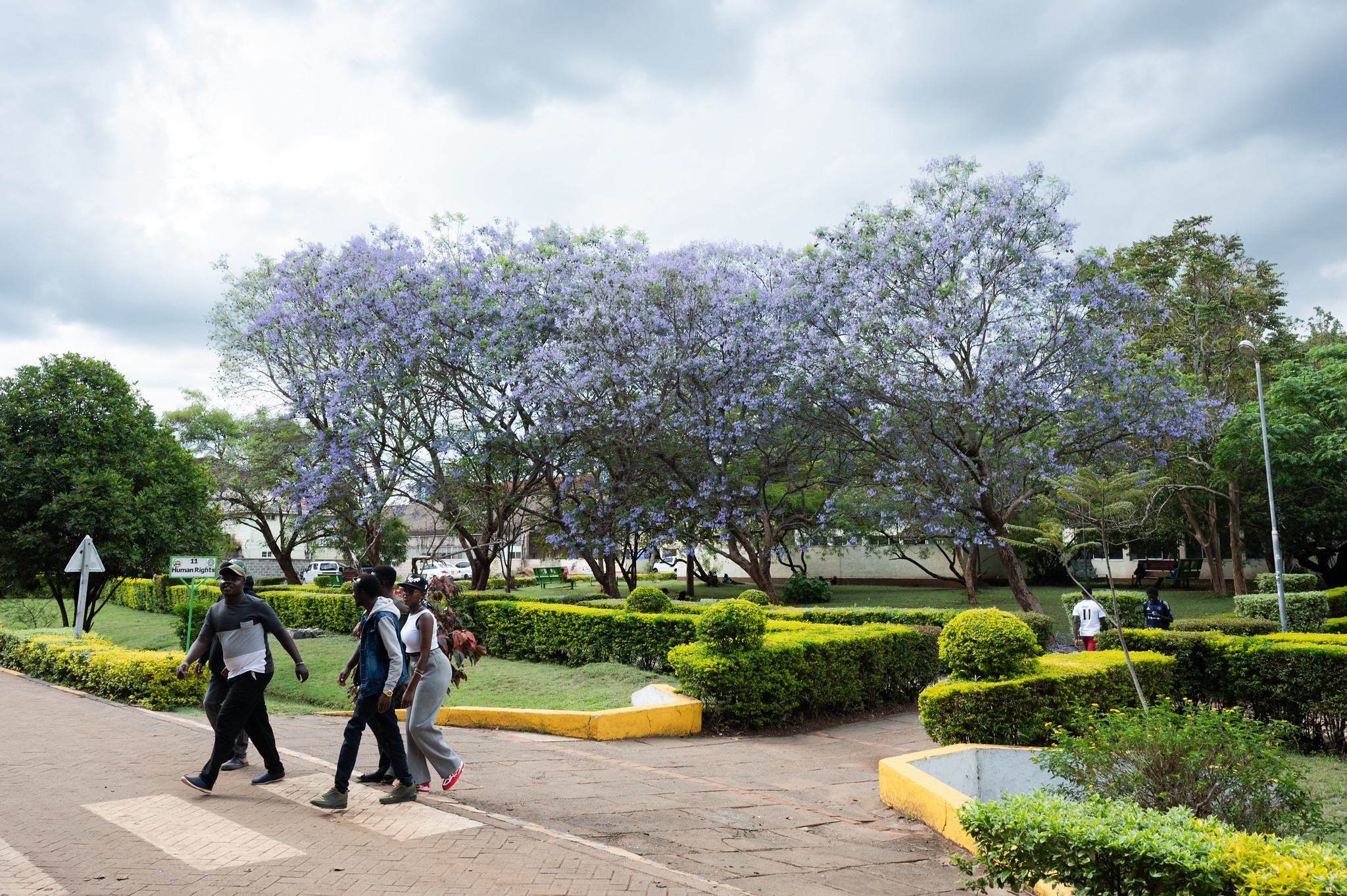
Students walk across the campus of Jomo Kenyatta University of Agriculture and Technology (JKUAT), passing beneath a flowering jacaranda tree.
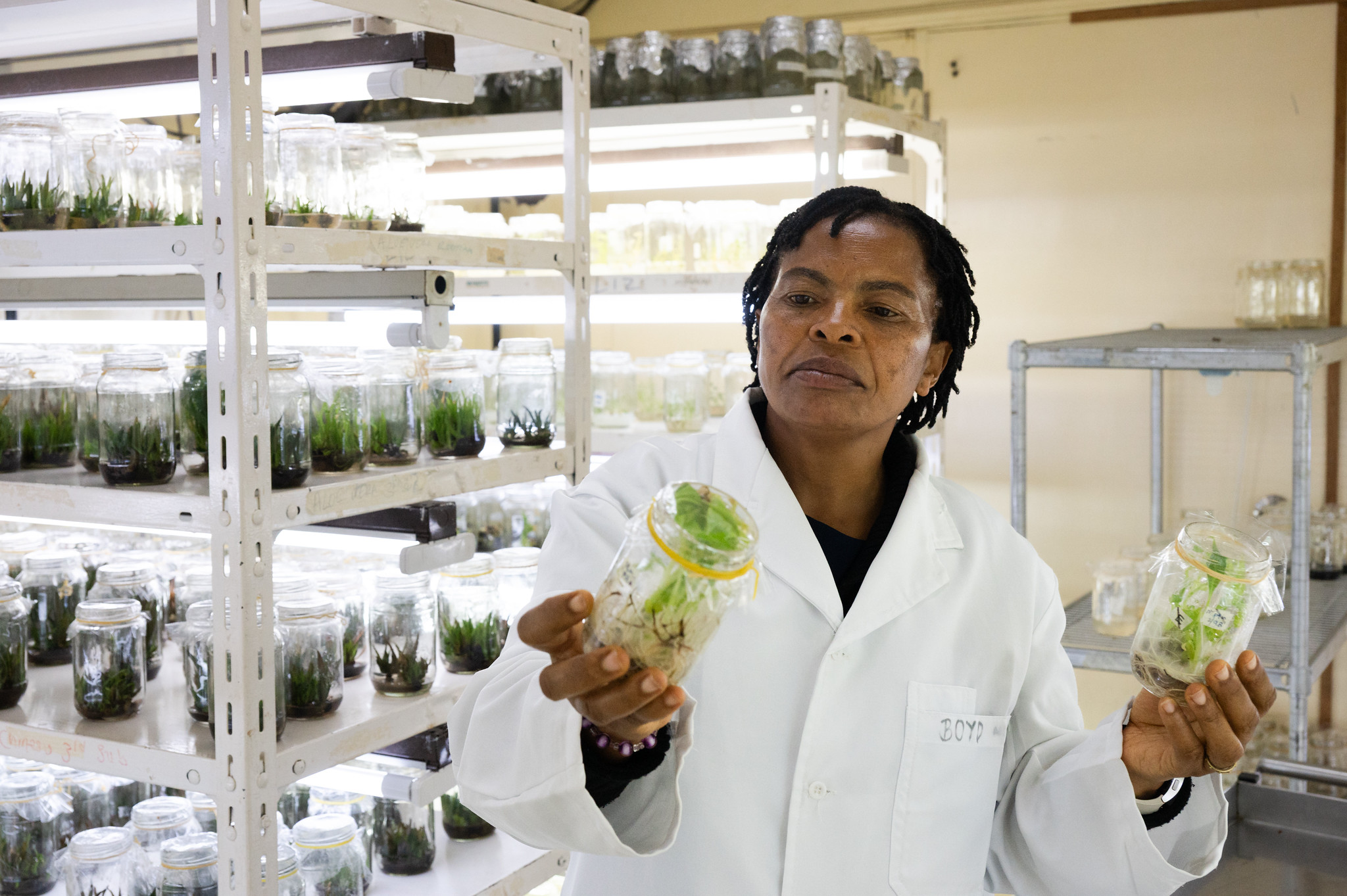
TWAS Research Grant recipient Cecilia Mweu, a Senior Research Fellow and current Director of the Institute for Biotechnology Research at JKUAT, checking seedlings in the lab.
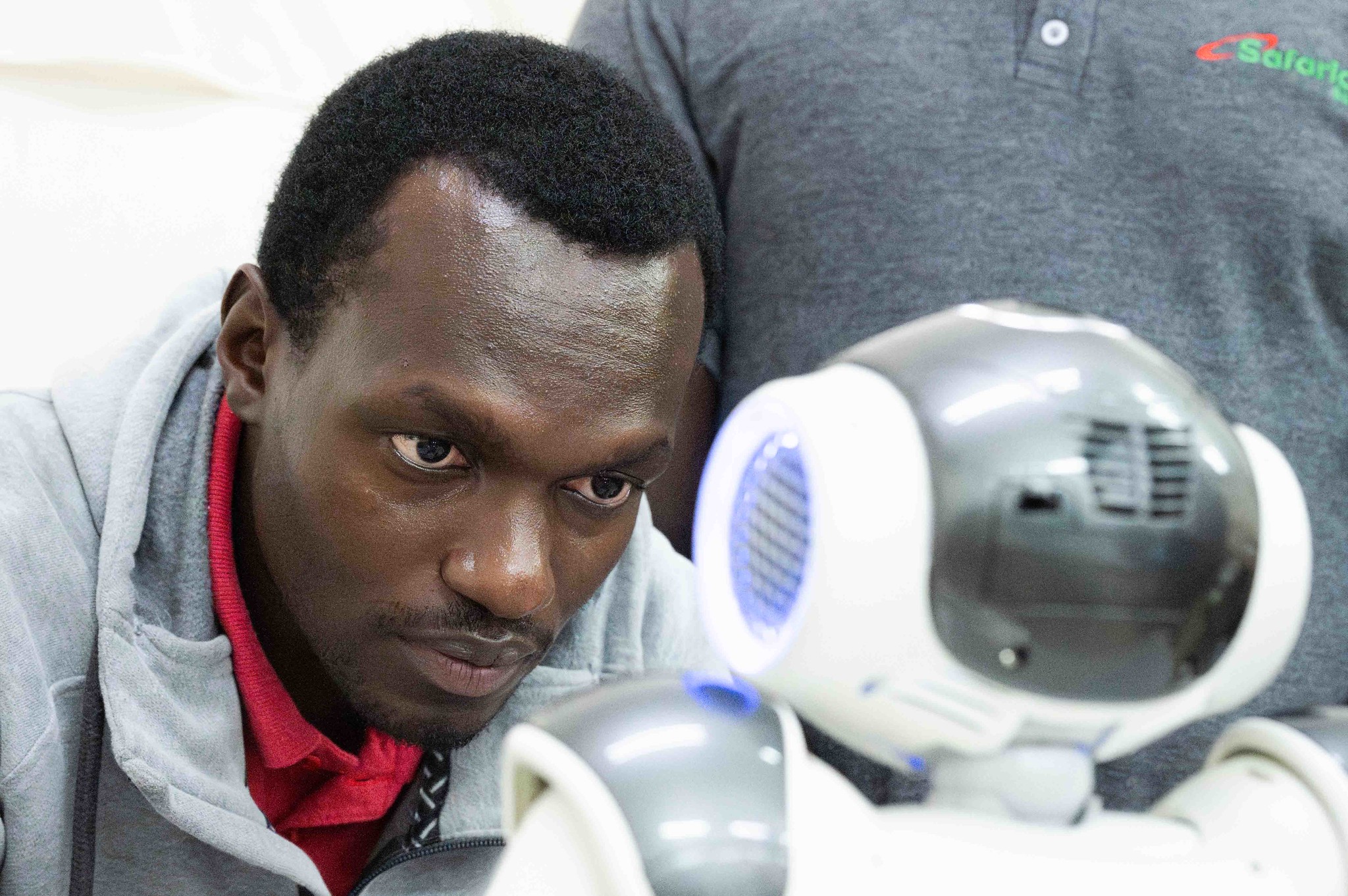
A student and a robot at JKUAT’s Social Robotics Lab. Established thanks to a SG-NAPI grantee and led by Eunice Njeri, the lab focuses on developing robots capable of interacting with people.
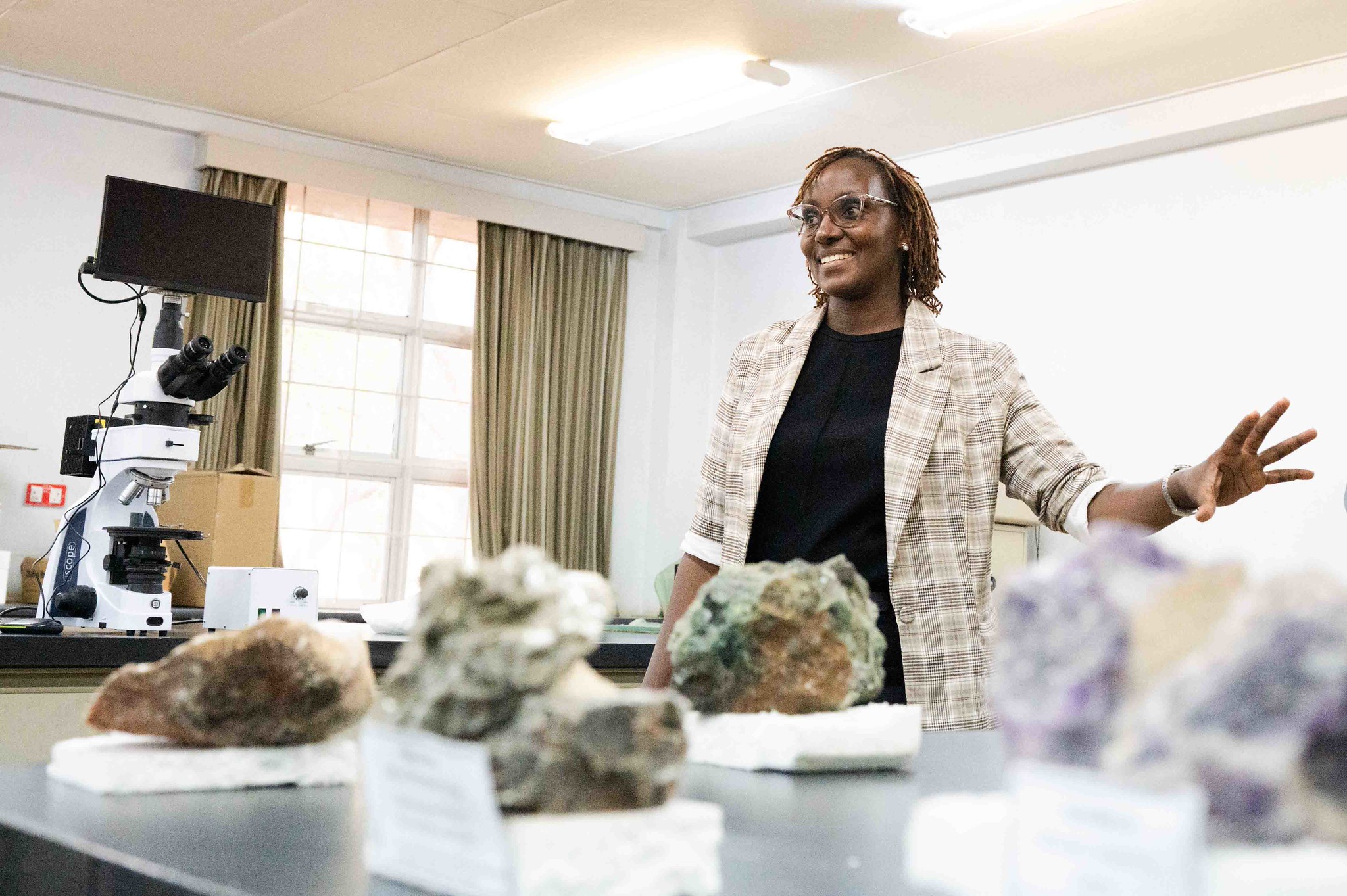
Lecturer Juliah Muriuki in the mineralogy and petrology laboratory at JKUAT, established with support from SG‑NAPI.
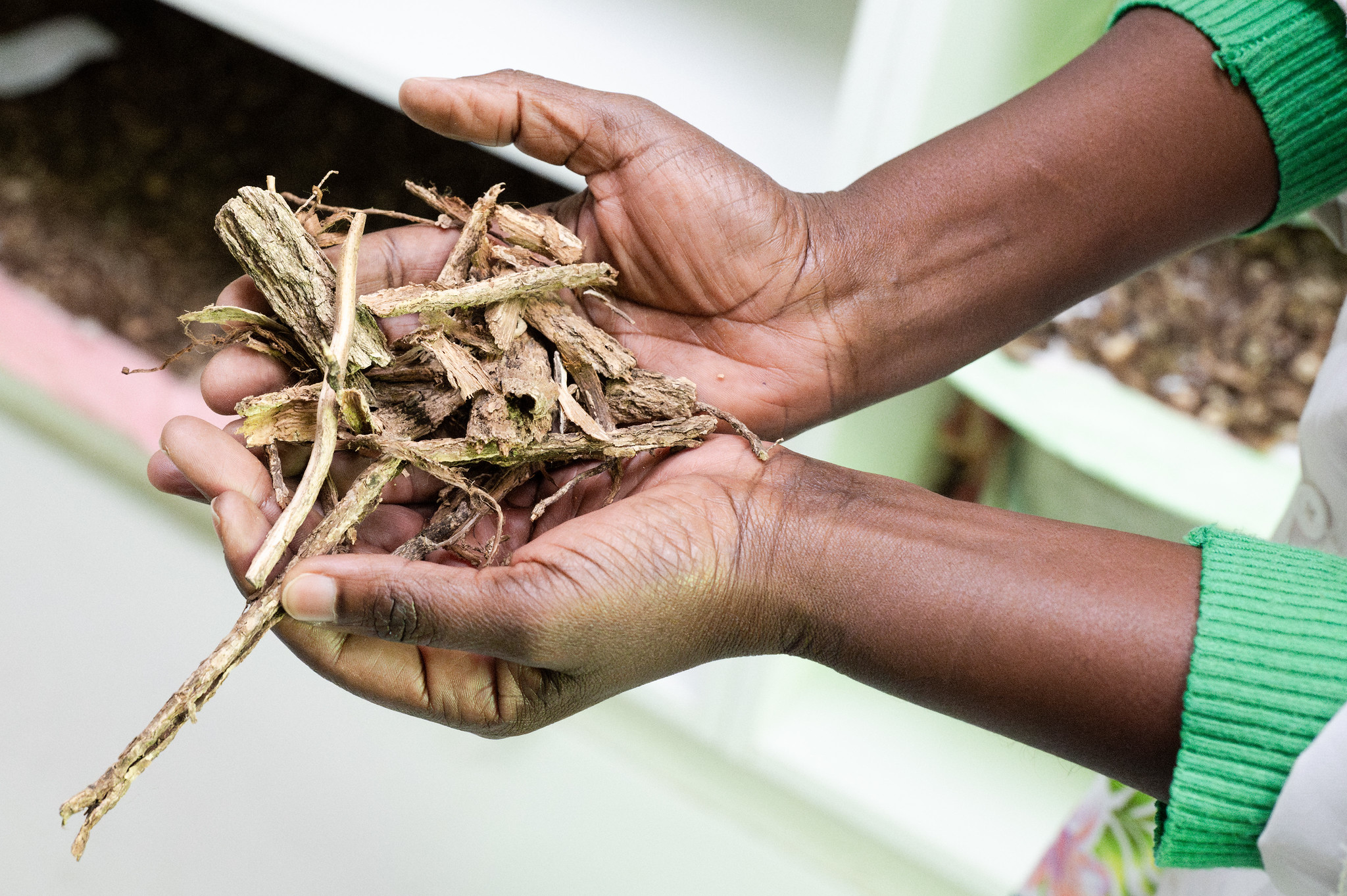
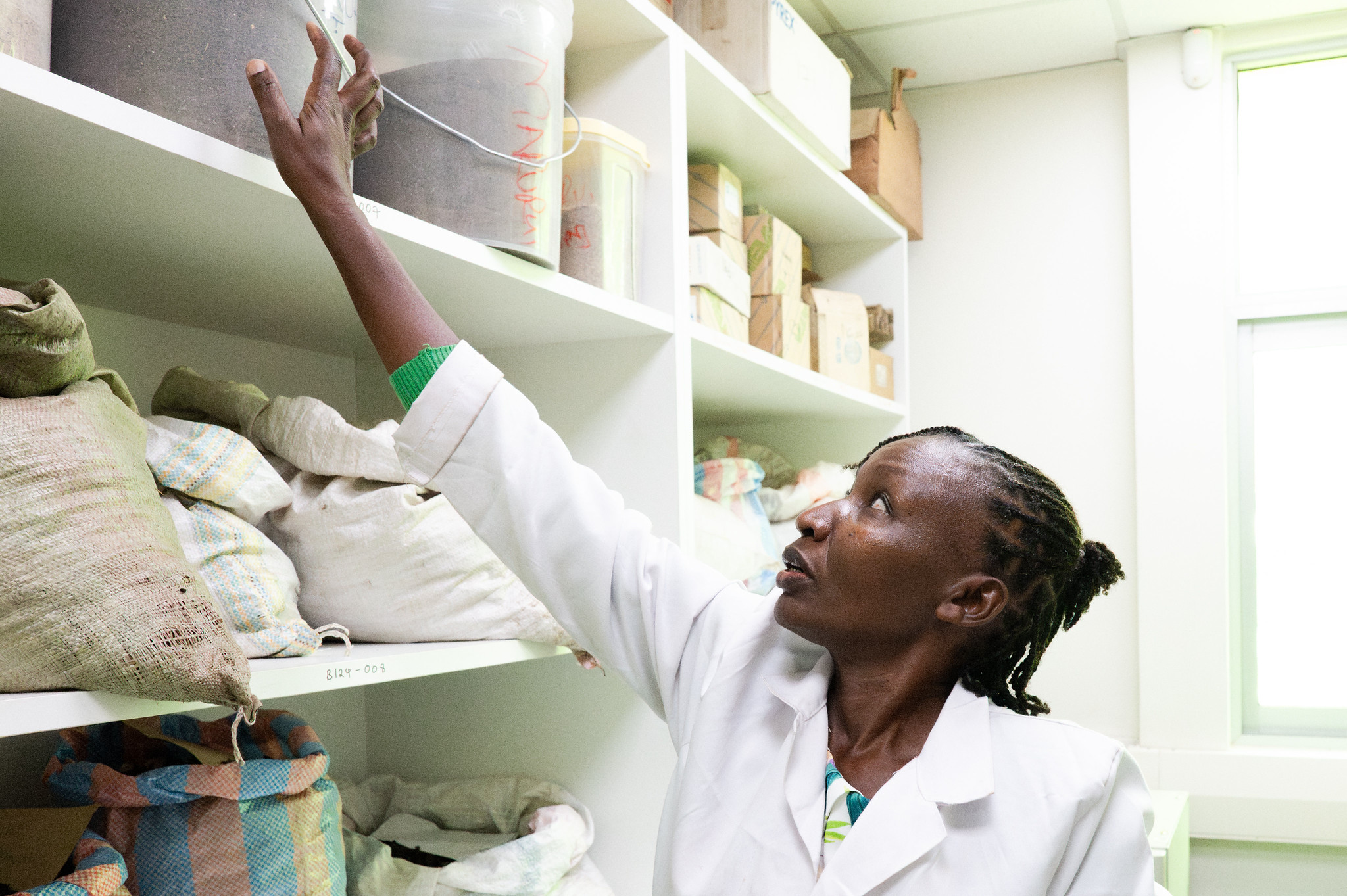
TWAS Research Grant recipient Njeri Irungu, senior principal research scientist at the Kenya Medical Research Institute (KEMRI), examines roots and stems of Urera hypselodendron.
Njeri Irungu, senior principal research scientist at KEMRI, conducts research on bioactive molecules from natural products with potential antimicrobial activity.
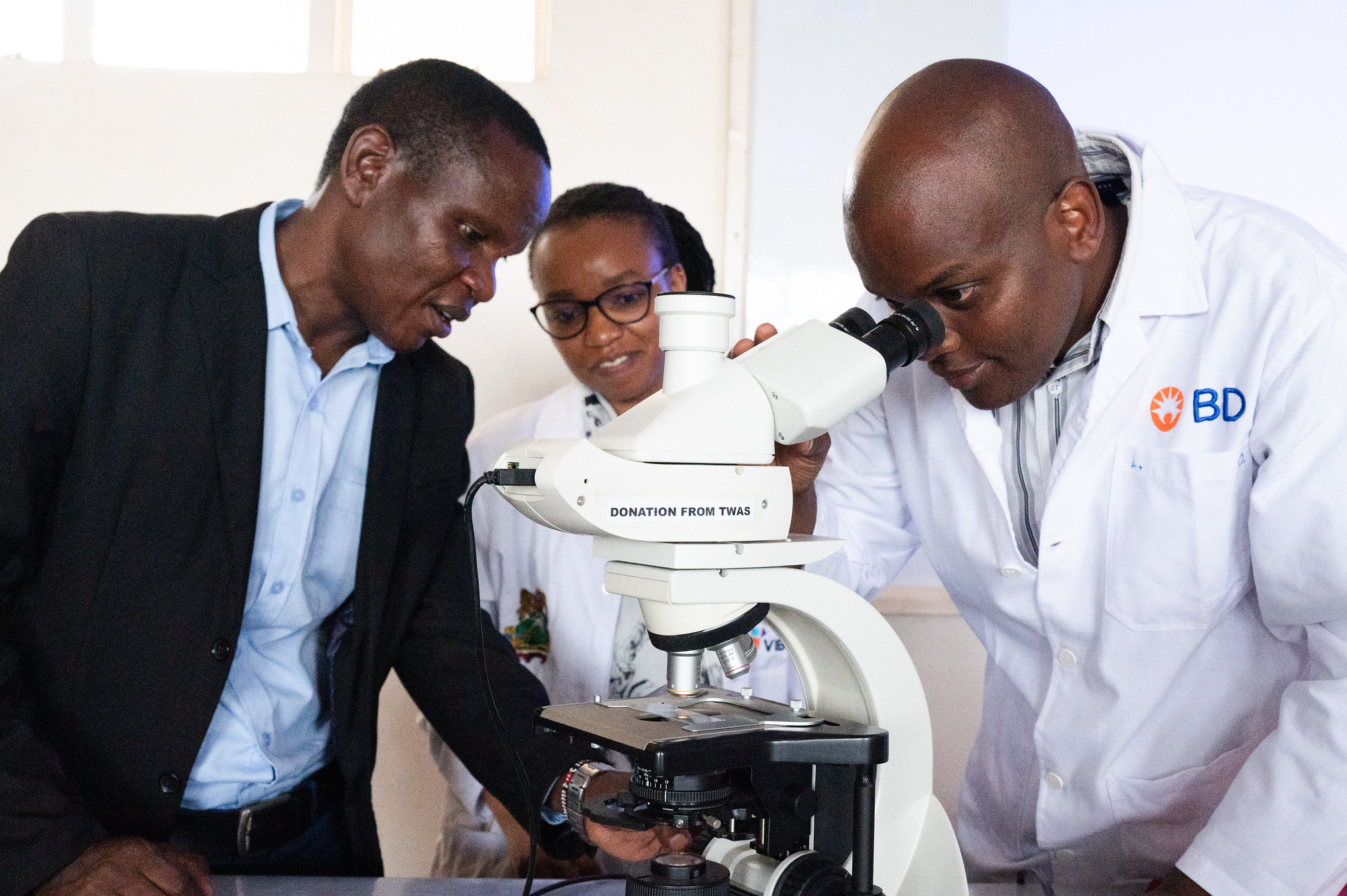
Agricultural microbiologist Ezekiel Njeru, associate professor at Kenyatta University, and two students use a microscope purchased through a TWAS Research Grant.
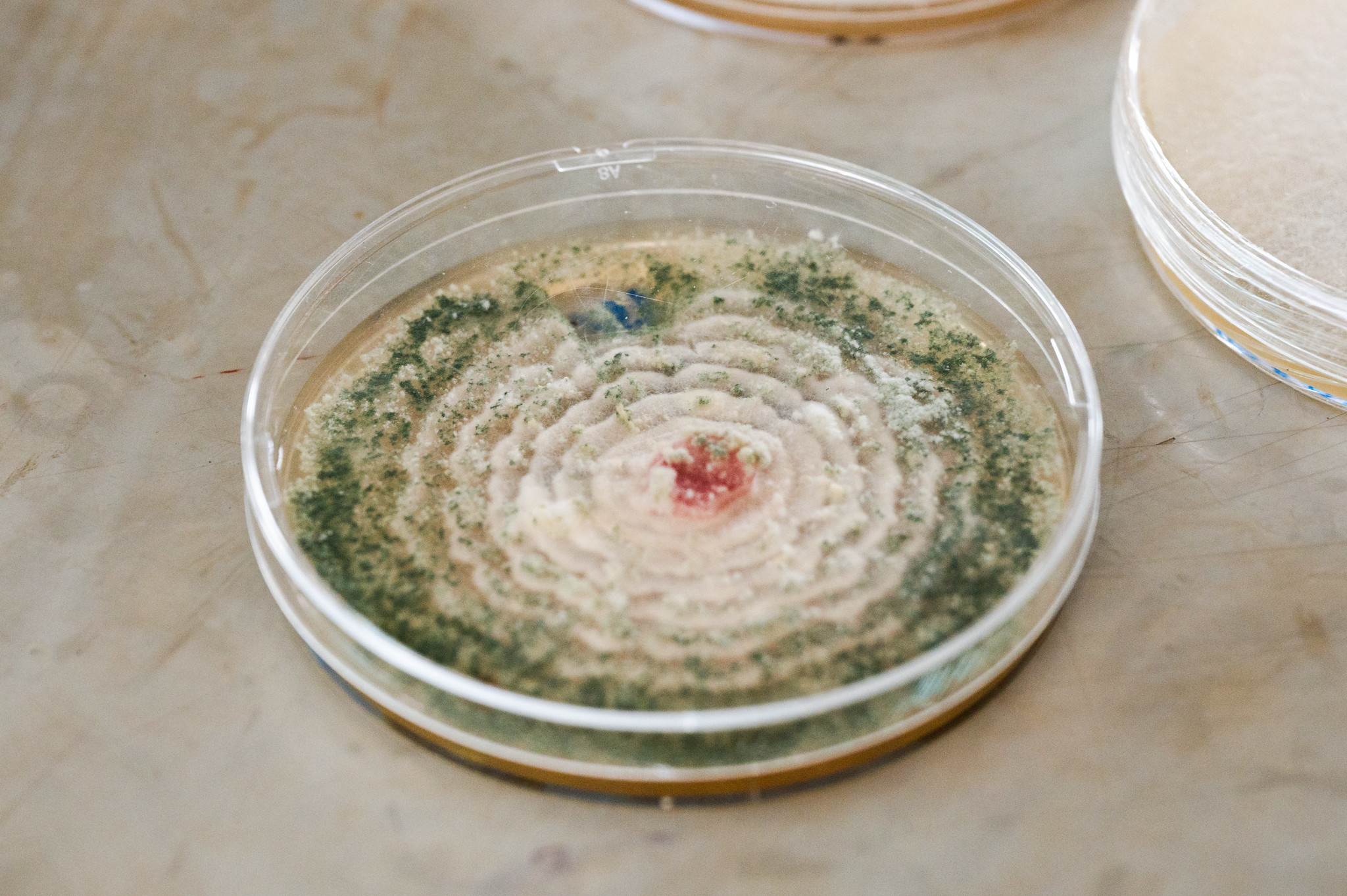
A culture in a Petri dish at Ezekiel Njeru’s laboratory. His research explores low‑cost soil fertilisers based on organic waste and beneficial microorganisms.
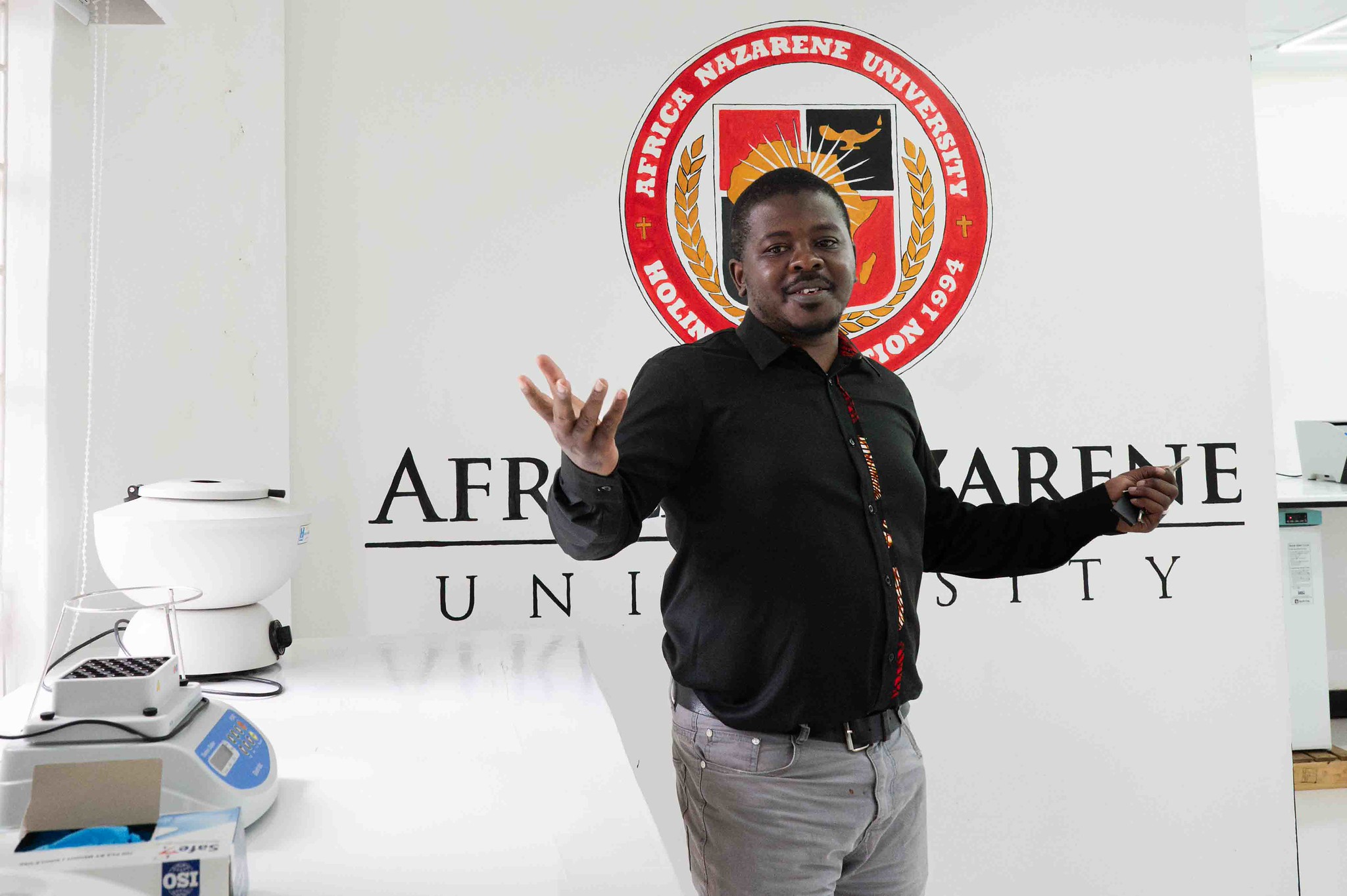
Micky Mwamuye, senior lecturer and One Health researcher at Africa Nazarene University in Nairobi, is a recipient of the Seed Grant for New African Principal Investigators (SG‑NAPI). UniversityHis research examines environmental drivers of antimicrobial resistance across humans, livestock, and wildlife.
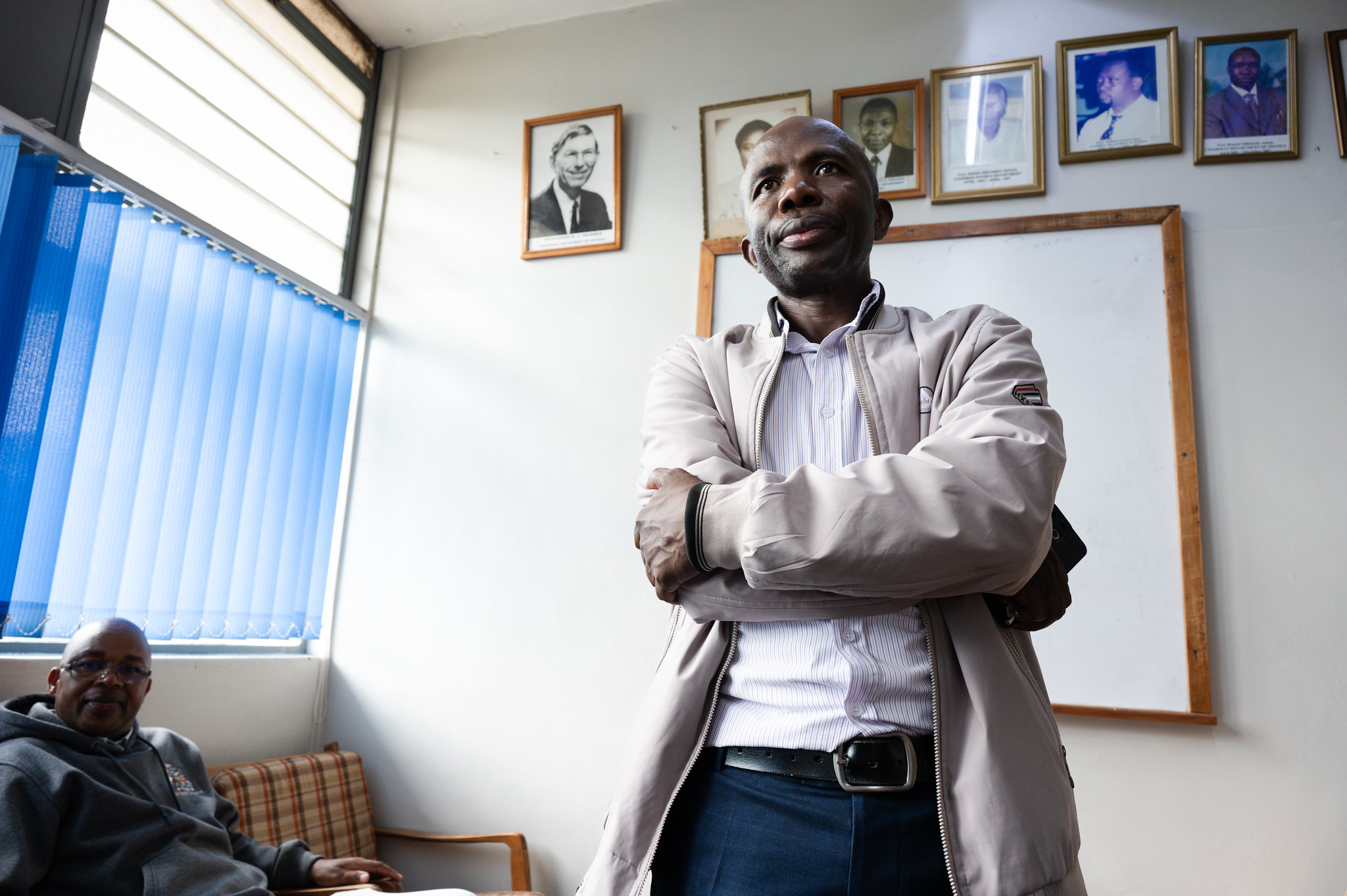
TWAS Research Grant awardees Justus Julius Okonda (centre), lecturer in the Department of Physics at the University of Nairobi, and Zephania Birech, chair of the department.
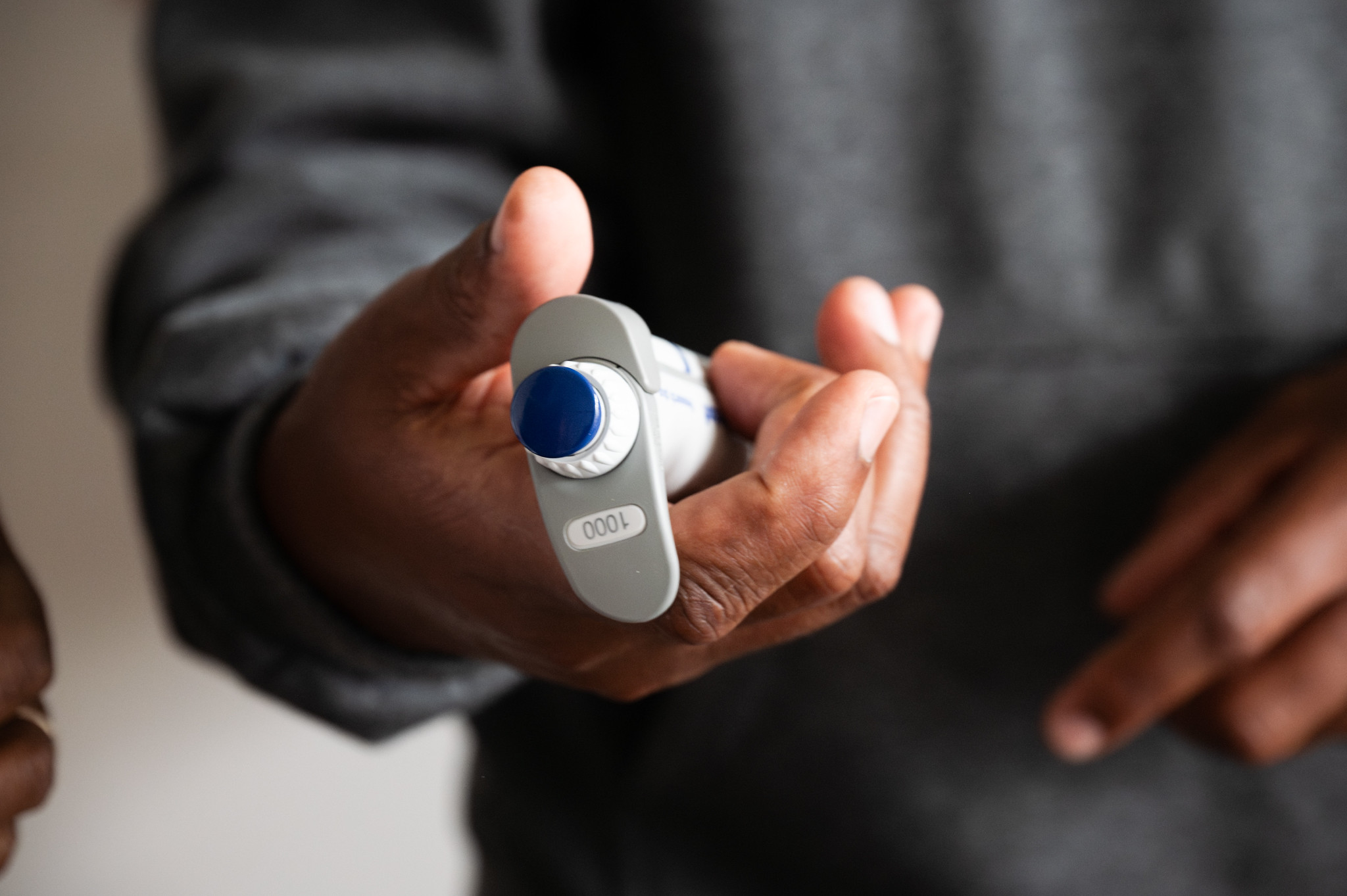
Laboratory equipment checked by TWAS Research Grant awardee Zephania Birech at the University of Nairobi.
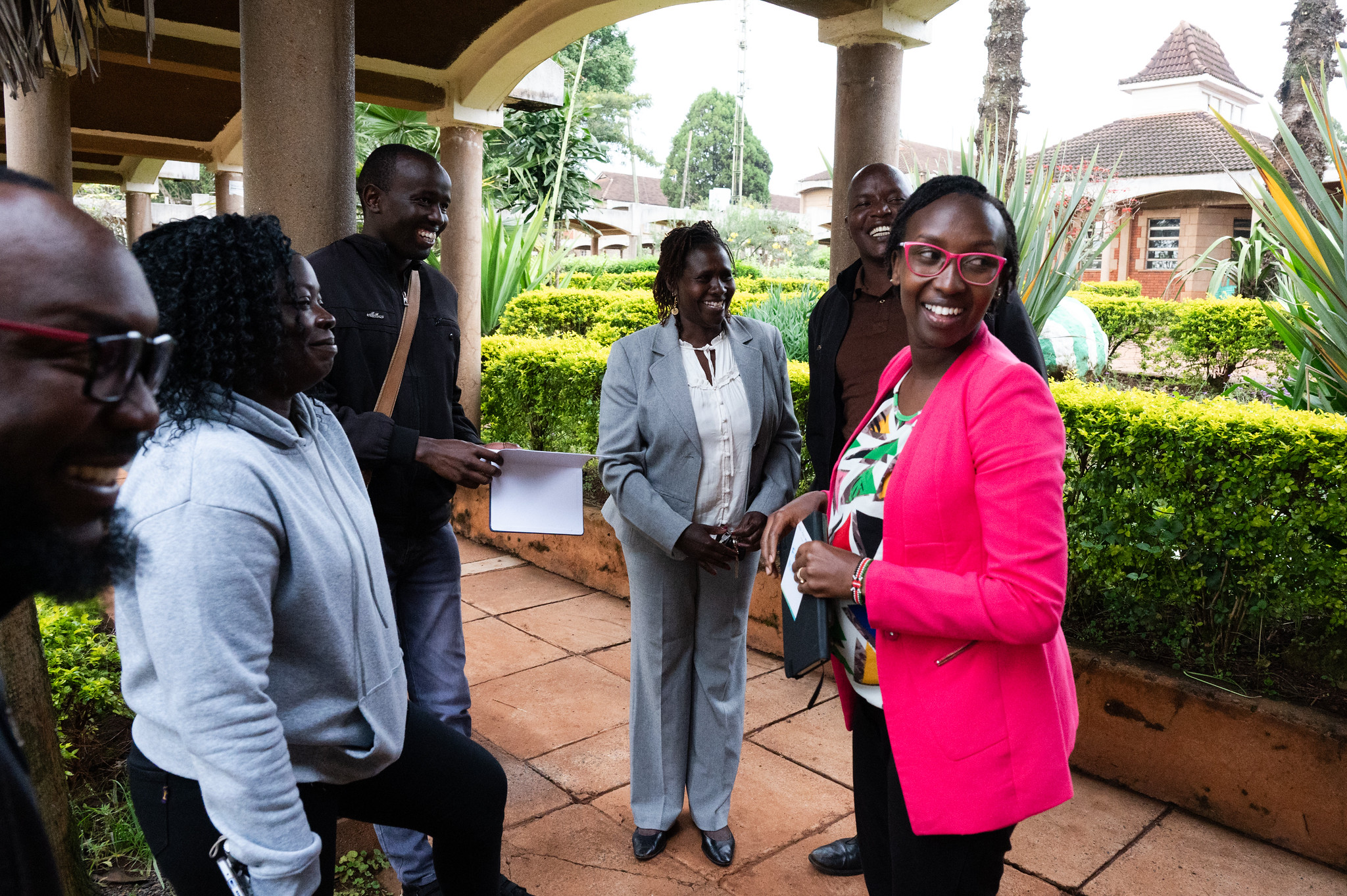
Students at Moi University with SG‑NAPI grantees Viola Jepchumba Kosgei (centre left), a researcher at the Department of Chemistry and Biochemistry of Moi University, Eldoret, and Faith Kandie (centre left), a water quality researcher at the School of Sciences and Aerospace Studies.
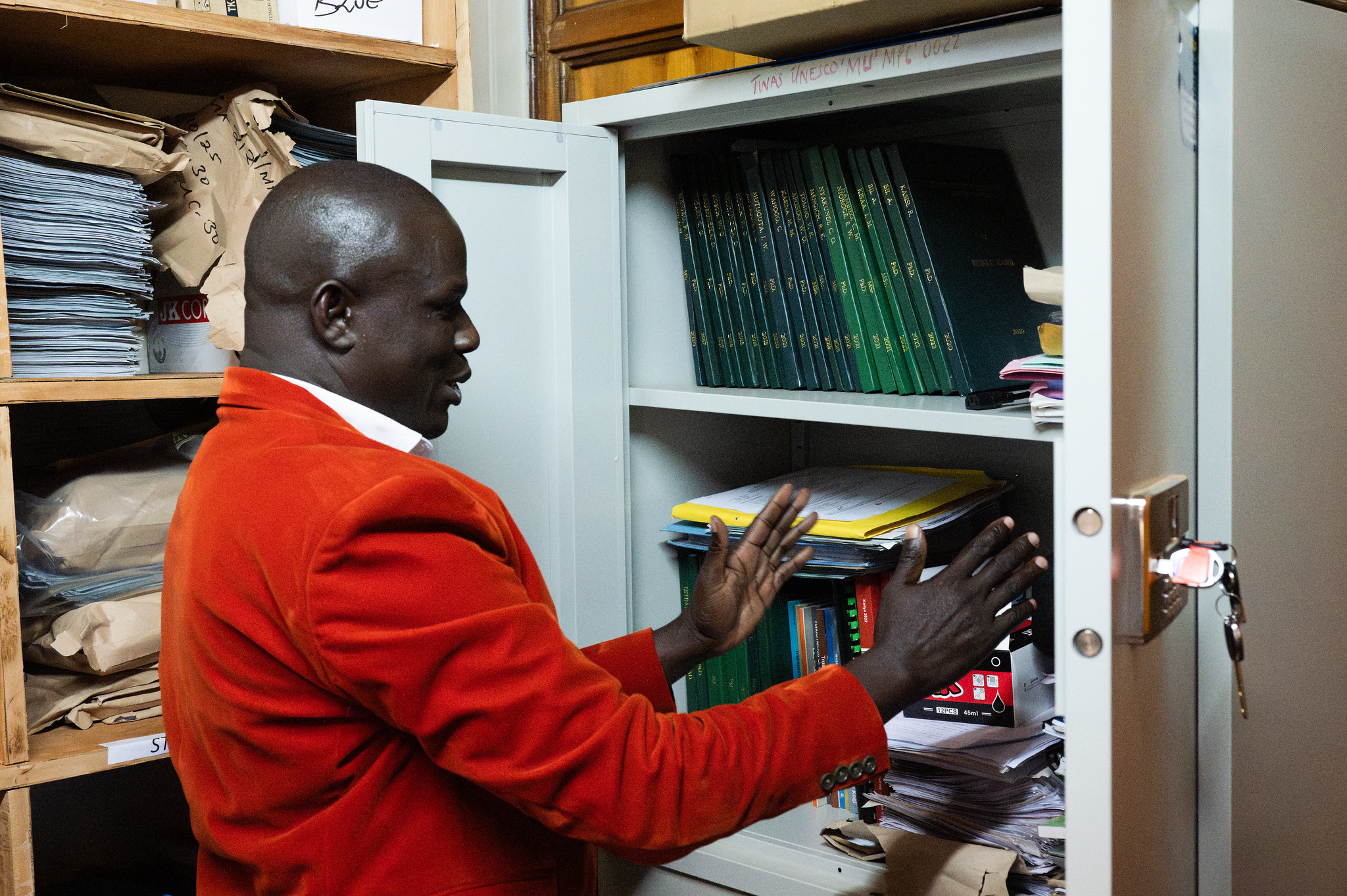
TWAS research grantee Fredrick Nyamwala, associate professor in the Department of Mathematics, Physics and Computing at Moi University, opening the safe where he keeps books and equipment acquired thanks to the TWAS grant.